
A Beginner’s Guide to Monofocal and Multifocal Lenses in Cataract Surgery

Cataract surgery is one of the most effective procedures used to improve vision when the natural lens becomes cloudy due to cataracts. A cataract develops when the natural lens inside the eye becomes cloudy, blocking light from passing through properly. This can cause blurred vision, glare from lights, difficulty reading, and poor night vision. Cataracts usually develop gradually with age but may also occur due to diabetes, long-term steroid use, eye injury, or other medical conditions.
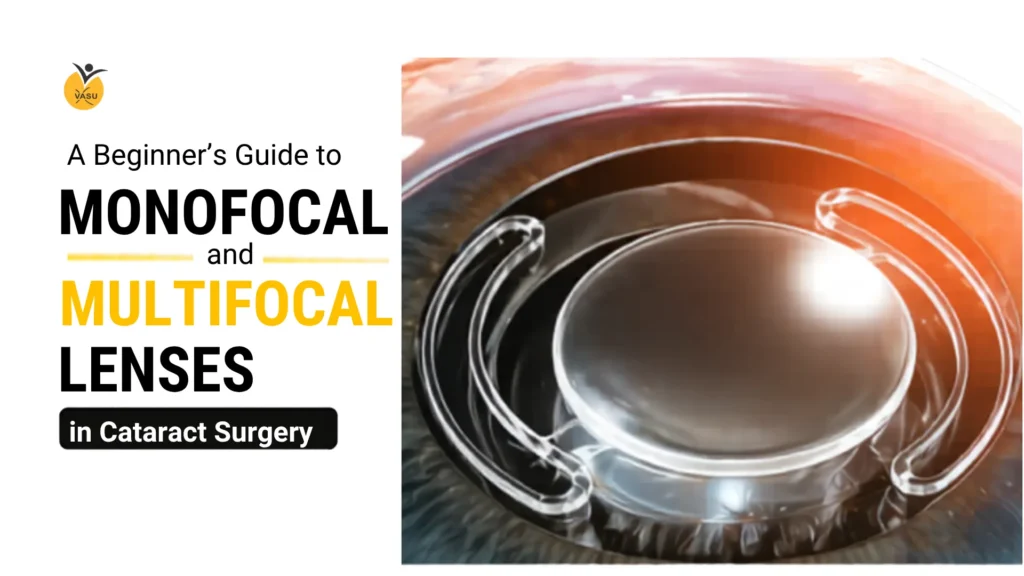
The most effective treatment for cataract is surgery. During cataract surgery, the cloudy natural lens is removed and replaced with a clear artificial lens known as an intraocular lens (IOL). Choosing the right lens type is an important part of the procedure because it directly affects how clearly a patient will see after surgery.
Two commonly recommended options are monofocal lenses and multifocal lenses. Many patients researching cataract surgery want to understand what is multifocal lens, how multifocal cataract lenses differ from standard lenses, and whether they can reduce dependence on glasses after surgery. Learning about these options helps patients make informed decisions about vision correction after cataract treatment.
Types of Lenses Used in Cataract Surgery
Modern cataract surgery offers several types of intraocular lenses designed to improve vision after the cloudy lens is removed. These lenses replace the natural lens and help focus light correctly onto the retina.
The most widely used options include monofocal lenses and multifocal lenses. Both are designed to improve vision after cataract surgery, but they function differently depending on how they focus light.
Some patients prefer monofocal lenses, which are designed to provide clear vision at one distance. Others choose multifocal cataract lenses, which allow the eye to focus at multiple distances such as near, intermediate, and far.
People who previously relied on multifocal eyeglasses or multifocal progressive glasses may find the concept of multifocal vision easier to understand because these lenses also correct vision at different distances. The final choice often depends on lifestyle needs, daily activities, and visual expectations.
What Are Monofocal Lenses?
Monofocal lenses are the most commonly used intraocular lenses in cataract surgery. These lenses focus light at a single distance, usually for clear distance vision.
With monofocal lenses, patients often achieve excellent clarity for activities such as driving, watching television, or recognising faces from a distance. However, because the lens focuses at only one distance, near tasks like reading, using a phone, or working on a computer may still require glasses.
In some cases, surgeons may recommend a premium monofocal lens, which offers improved optical quality and contrast sensitivity. These lenses can provide sharper vision, particularly in low-light conditions.
Because of their reliability and predictable outcomes, monofocal lenses remain a widely used option in cataract surgery.
What Are Multifocal Lenses?
Multifocal lenses are advanced intraocular lenses designed to provide vision at multiple distances. These lenses use specialised optical zones that allow the eye to focus on near, intermediate, and distant objects.
Many patients searching online for what is multifocal lens are looking for solutions that reduce their dependence on glasses after cataract surgery. Multifocal cataract lenses are designed to help achieve this goal.
These lenses allow individuals to perform everyday tasks such as reading, working on digital devices, and driving with greater visual convenience. People who previously used best multifocal contact lenses or depended on multifocal eyeglasses often find multifocal intraocular lenses helpful.
Although multifocal lenses can reduce dependence on glasses, the level of adaptation varies depending on each individual’s eye condition and lifestyle.
Monofocal vs Multifocal Lenses: Key Differences
Understanding the difference between monofocal lenses and multifocal lenses is important before choosing an intraocular lens during cataract surgery.
Monofocal lenses provide clear vision at a single focal distance. In contrast, multifocal cataract lenses distribute light across multiple focal points so that the eye can focus on objects at different distances.
Both options effectively improve vision after cataract removal, but the visual experience after surgery may differ depending on the chosen lens and the patient’s daily visual needs.
Vision Quality Comparison
Monofocal lenses typically provide very sharp distance vision with minimal visual disturbances. Many patients achieve excellent clarity for outdoor activities and driving.
Multifocal lenses, however, allow the eye to focus at multiple distances. This enables patients to read, use smartphones, and perform everyday tasks with less dependence on glasses.
People who previously used multifocal progressive glasses often adapt well to multifocal cataract lenses because both provide multi-distance vision correction.
Cost Comparison
Cost is another factor patients consider when selecting an intraocular lens. In general, monofocal lenses are more affordable and commonly used.
Advanced lenses such as multifocal lenses may have a higher cost due to their sophisticated optical design.
When comparing multifocal lenses price, patients should also consider the potential benefit of reduced dependence on glasses after surgery.
Dependence on Glasses
Patients who receive monofocal lenses usually achieve clear distance vision but may still require reading glasses.
Those who choose multifocal lenses may experience reduced dependence on glasses because the lens allows focus at multiple distances. However, some individuals may occasionally use multifocal eyeglasses depending on their visual needs.
Side Effects and Adjustment Period
Like any advanced optical technology, multifocal lenses may require a short adjustment period. During the first few weeks after surgery, some patients may notice glare or halos around lights.
These visual effects usually improve as the brain adapts to the new optical system. Most individuals adjust well to multifocal cataract lenses within a few weeks.
Patients who choose a premium monofocal lens usually experience fewer optical disturbances but may still need glasses for near-vision tasks.
Factors to Consider When Choosing an IOL
Selecting the right intraocular lens depends on several factors including lifestyle, visual needs, and daily activities.
Patients who prioritise sharp distance vision may prefer monofocal lenses, while those seeking greater independence from glasses may consider multifocal lenses.
Eye health, retinal condition, and cost considerations such as multifocal lenses price should also be evaluated before making a decision. A detailed eye examination and consultation with an ophthalmologist help determine the most suitable lens type.
Where to Get Cataract Surgery?
Choosing the right eye hospital is essential for safe and successful cataract surgery outcomes. An experienced eye centre should provide advanced diagnostic technology, skilled ophthalmologists, and personalised treatment planning.
At Vasu Eye Hospital, cataract surgery is performed using modern techniques and advanced diagnostic equipment to ensure precise treatment. The specialists carefully evaluate each patient’s eye condition before recommending the most suitable intraocular lens. Whether a patient requires monofocal lenses, a premium monofocal lens, or advanced multifocal cataract lenses, the team at Vasu Eye Hospital provides personalised guidance to help patients achieve clear and comfortable vision after cataract surgery.
FAQs
Patients with monofocal lenses may still need glasses for reading or near work. Those who choose multifocal lenses often have less dependence on glasses after surgery.
Yes. Multifocal cataract lenses are considered safe when selected after proper eye evaluation and are widely used in cataract surgery.
Most patients adjust to multifocal lenses within a few weeks as the brain adapts to multiple focal points.
Changing an implanted lens after cataract surgery is uncommon, but in selected cases it may be possible after detailed examination by an eye specialist.
Many patients with multifocal cataract lenses experience reduced dependence on glasses, but complete freedom from glasses cannot always be guaranteed.