

Glaucoma (Kala Motia) Treatment in Bathinda
Glaucoma is a group of eye conditions that can damage the optic nerve and gradually affect vision. It may not cause noticeable symptoms early, so assessment and follow-up matter. Vasu Eye Institute provides glaucoma testing and care in Bathinda.
What Is Glaucoma (Kala Motia)?
Glaucoma is often confused with motiyabind (cataract), but they are different. Cataract clouds the eye's lens; glaucoma affects the optic nerve, which carries visual information to the brain. Vision loss from optic nerve damage is generally not reversible, so early assessment is important.
A clear fluid called aqueous humour circulates inside the front of the eye. If its drainage or balance is affected, eye pressure may rise and place stress on the optic nerve. Some people can have glaucoma even when an eye-pressure reading is within the usual range, so a full assessment may include more than a pressure test.

Who May Have a Higher Risk?
Glaucoma can affect people differently. Risk may be higher with increasing age, a close family history, diabetes, previous eye injury, long-term steroid use, or very short- or long-sightedness. A risk factor does not by itself mean that you have glaucoma.
Age and family history
Tell your eye-care professional if glaucoma runs in your family or if a close relative has it.
Health and medicines
Share diabetes, other health conditions and long-term steroid use, including eye drops, tablets or inhalers.
Previous eye injury
Tell the clinician about past eye injuries, surgery or treatment.
Vision and eye structure
Your prescription and eye measurements may help the clinician decide what checks are needed.

Why Glaucoma Can Be Hard to Notice
Many common forms of glaucoma develop gradually and may not cause pain or obvious early symptoms. Changes can begin in side vision while central vision remains clear. Regular eye checks can help identify changes that may otherwise be difficult to notice.
An examination may include eye-pressure measurement and checks of the optic nerve and visual field. The tests needed depend on your individual history and findings.

Glaucoma Tests Available in Bathinda
The clinician chooses tests based on your symptoms, history and examination. The existing glaucoma page lists these diagnostic facilities:
Glaucoma Treatment: Drops, Laser and Surgery
After examination, treatment may include prescribed eye drops, laser treatment or surgery. The aim is to manage the condition and reduce the risk of further vision loss. The right option depends on the type of glaucoma, test results and your individual needs.
Eye drops and monitoring
Use prescribed drops as directed and attend the follow-up visits recommended by your clinician.
Laser treatment
The existing page lists Nd:YAG laser peripheral iridotomy among its services. Ask whether it is relevant to your diagnosis.
Glaucoma surgery
The existing page lists trabeculectomy and glaucoma implants. A surgeon must assess whether either is suitable.
Glaucoma Treatment Cost
There is no confirmed starting price for glaucoma treatment in the supplied information. Eye drops may be an ongoing expense; laser or surgery costs are discussed after tests. Contact the clinic for a current written estimate before treatment.
Ask about an estimateLiving with Glaucoma
Use drops as prescribed
Use them at the times advised. Do not stop because your eyes feel fine without asking your clinician.
Keep follow-up visits
Regular monitoring helps your clinician assess pressure, optic-nerve health and vision changes.
Avoid unprescribed steroid drops
Use steroid eye drops only when prescribed and follow the instructions you are given.
Tell close relatives
Family history can matter. Relatives can ask an eye-care professional when screening is appropriate.
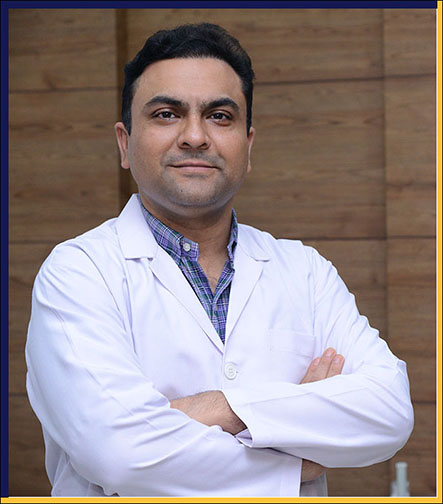
Dr. Gourav Mangla
MBBS, MS, DNB (Eye), FVR
Vasu Eye Institute's eye-care team includes Dr. Gourav Mangla. Learn more on the doctors page.
Glaucoma Questions
What is the treatment for glaucoma in Bathinda?
Treatment may include prescribed drops, laser or surgery. An examination and tests help the clinician discuss options for you.
Is kala motia the same as motiyabind?
No. Cataract affects the eye's lens; glaucoma affects the optic nerve. An eye examination can help distinguish between them.
Can glaucoma be cured?
Glaucoma-related optic-nerve damage is generally not reversible. Treatment aims to manage the condition and reduce the risk of further loss.
Will I go blind from glaucoma?
Outcomes differ between people. Early assessment and following the care plan may help manage risk, but no result can be guaranteed.
Do I need glaucoma drops for life?
Some people need long-term drops; others may have a different plan. Do not stop or change treatment without advice from your clinician.
Is glaucoma surgery done in Bathinda?
Vasu's existing page lists glaucoma surgery options. Contact the clinic to confirm current availability and whether a procedure is suitable for you.
Is glaucoma surgery painful?
Your surgeon can explain the anaesthesia, what you may feel and what to expect after the procedure.
Is glaucoma hereditary?
A close family history can increase risk. Tell relatives and ask an eye-care professional about appropriate screening.
Can I have cataract surgery if I have glaucoma?
Some people with both conditions may be considered for cataract surgery. Your surgeon will assess your eyes and plan care accordingly.
Can normal eye pressure still be glaucoma?
Yes. Eye pressure is one part of an assessment; optic-nerve evaluation and other tests may also be needed.
How often should I check my eye pressure?
The interval depends on your examination, risk factors and treatment. Follow the schedule advised by your eye-care professional.
Is glaucoma treatment covered by insurance?
Coverage depends on your policy, treatment, network and insurer approval. Check the details with your insurer and the clinic.
Talk to the Vasu Eye Institute team
Call to confirm appointment availability and ask which reports to bring. The clinic can also explain which tests may be recommended after assessment.
General information only. It is not a diagnosis or a substitute for an eye examination.