

A Simple Guide to Intraocular Lenses (IOLs) for Cataract Surgery

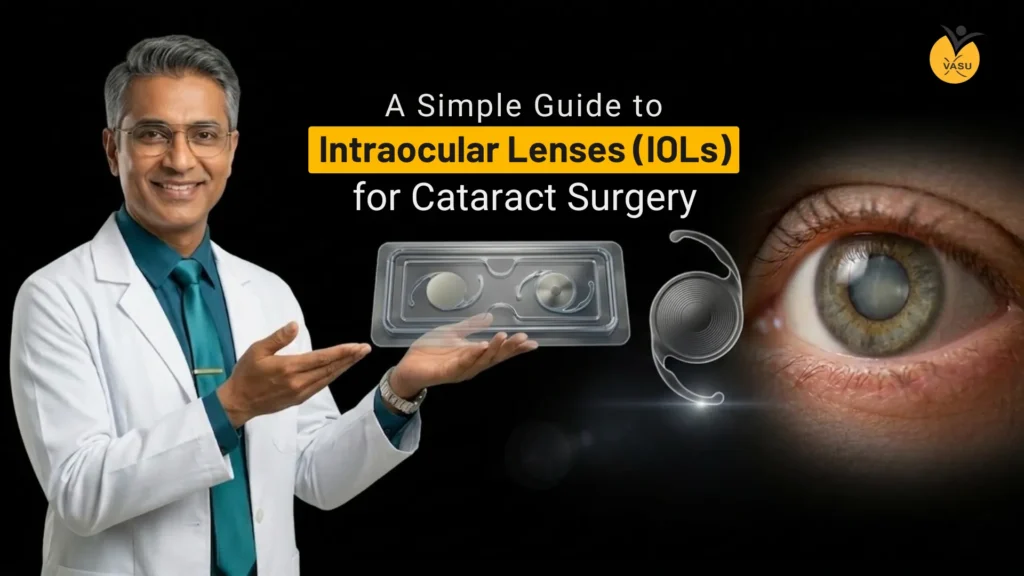
Cataract surgery is one of the most commonly performed eye procedures worldwide and is highly effective in restoring clear vision. When a cataract develops, the natural lens of the eye becomes cloudy and blocks light from reaching the retina properly. This causes blurred vision, glare from lights, difficulty reading, and problems with night vision.
The most effective treatment for cataract is IOL surgery, in which the cloudy natural lens is removed and replaced with an artificial intraocular lens. This procedure is also known as IOL eye surgery or IOL lens surgery. The implanted artificial lens improves overall visual quality.
Modern cataract procedures involve replacing the natural lens with IOL cataract lenses, which are specially designed artificial lenses that remain inside the eye permanently. These lenses help focus light accurately onto the retina, allowing patients to see clearly again.
With advancements in ophthalmology, patients today have several options when it comes to choosing an intraocular lens. Understanding how IOL replacement works and learning about the different types of IOL lenses helps patients make informed decisions before cataract surgery.
What Are Intraocular Lenses (IOLs)?
Intraocular lenses, commonly called IOL lenses, are artificial lenses that replace the eye’s natural lens during cataract surgery. When cataracts develop, the natural lens becomes opaque and interferes with clear vision. During IOL surgery, the cloudy lens is removed and replaced with a transparent artificial lens.
These lenses are designed to remain inside the eye permanently and require no maintenance. IOL cataract lenses help the eye focus light more clearly, improving vision and reducing visual disturbances caused by cataracts.
Many modern cataract procedures involve IOL replacement, where surgeons carefully implant a lens tailored to the patient’s visual needs. Depending on the chosen lens type, patients may experience clear vision at one distance or multiple distances after surgery.
How Do Intraocular Lenses Work?
During IOL eye surgery, the ophthalmologist removes the natural cataract-affected lens and inserts a new artificial lens inside the eye. This lens sits in the same position as the natural lens and functions in a similar way by focusing light onto the retina.
The artificial lens used in IOL lens surgery is made from highly advanced materials designed to remain stable and transparent for many years. Once implanted, the lens becomes a permanent part of the eye.
Modern IOL cataract lenses are engineered to improve visual clarity and help patients regain functional vision after cataract surgery. Depending on the lens selected, patients may experience improved distance vision, near vision, or both.
Types of Intraocular Lenses (IOLs)
There are several types of IOL lenses available today, each designed to meet different visual needs. The most common categories include standard lenses and advanced lenses.
- Standard lenses typically focus at one distance, helping patients achieve clear distance vision after surgery. However, some individuals may still require glasses for reading or close work
- Advanced lenses such as premium IOL lenses provide enhanced optical performance and may offer better visual quality. Some of these lenses can help reduce dependence on glasses after surgery.
- Multifocal cataract lenses which allow the eye to focus at multiple distances. These lenses are designed for patients who want greater visual flexibility and reduced reliance on corrective eyewear.
Understanding the different types of IOL lenses helps patients select the most suitable option based on their lifestyle, visual expectations, and eye health.
Benefits of IOL Surgery
One of the biggest advantages of IOL surgery is the restoration of clear vision after cataract removal. Patients who undergo IOL eye surgery often notice significant improvements in their ability to perform daily activities such as reading, driving, and recognising faces.
Key benefits of IOL lens surgery include:
- Improved visual clarity
- Reduced glare and light sensitivity
- Better night vision
- Long-lasting visual correction
Patients who choose premium IOL lenses or multifocal cataract lenses may also experience reduced dependence on glasses.
Another important advantage is that once IOL replacement is completed, the artificial lens typically lasts a lifetime and does not require replacement.
Who Is a Good Candidate for IOL Surgery?
Most individuals diagnosed with cataracts are good candidates for IOL surgery. The procedure is generally recommended when cataracts begin affecting daily activities such as reading, driving, or recognising faces.
Patients experiencing symptoms such as blurred vision, glare from headlights, or difficulty seeing in low light may benefit from IOL eye surgery. During a detailed eye examination, an ophthalmologist determines whether cataract surgery is required and which IOL cataract lenses are most appropriate.
Candidates for surgery may also discuss the option of premium IOL lenses or multifocal cataract lenses if they wish to reduce their dependence on glasses after treatment.
Where to Get Intraocular Lens (IOL) Surgery?
Choosing the right eye hospital is important for safe cataract treatment and successful vision recovery. A specialised eye hospital should provide detailed eye evaluation, experienced ophthalmologists, and advanced surgical technology to help patients choose the most suitable IOL lens based on their vision needs.
At Vasu Eye Hospital, cataract surgery is performed using the AI-guided Callisto Suite for precise and safe treatment. The hospital offers various options including standard, premium, and multifocal IOL lenses based on individual vision needs.
Experienced ophthalmologists conduct detailed eye examinations before recommending IOL replacement and guide patients about lens options and costs. With modern surgical facilities, Vasu Eye Hospital focuses on delivering safe IOL surgery that improves vision and enhances quality of life.
FAQs
No. IOL surgery is performed under local anaesthesia, so patients typically feel little to no pain during the procedure.
Most IOL cataract lenses are designed to last a lifetime and usually do not need replacement.
Yes, mild irritation, light sensitivity, or blurred vision may occur temporarily after IOL implantation. These symptoms usually improve as the eye heals.
Most IOL lens surgery procedures take around 15–30 minutes and are usually performed as day-care surgery.
Yes. Cataract surgery with IOL replacement is considered one of the safest and most successful medical procedures when performed by experienced ophthalmologists.
At Vasu Eye Hospital, IOL surgery usually ranges from ₹25,000 to ₹40,000 for standard lenses, while premium or multifocal lenses may cost ₹45,000 to ₹65,000+ per eye, depending on the lens type and technology used.
After IOL eye surgery, patients should use prescribed eye drops, avoid rubbing the eyes, protect the eyes from dust, and attend follow-up appointments for proper healing.