

Early Signs of Diabetic Retinopathy You Should Never Ignore

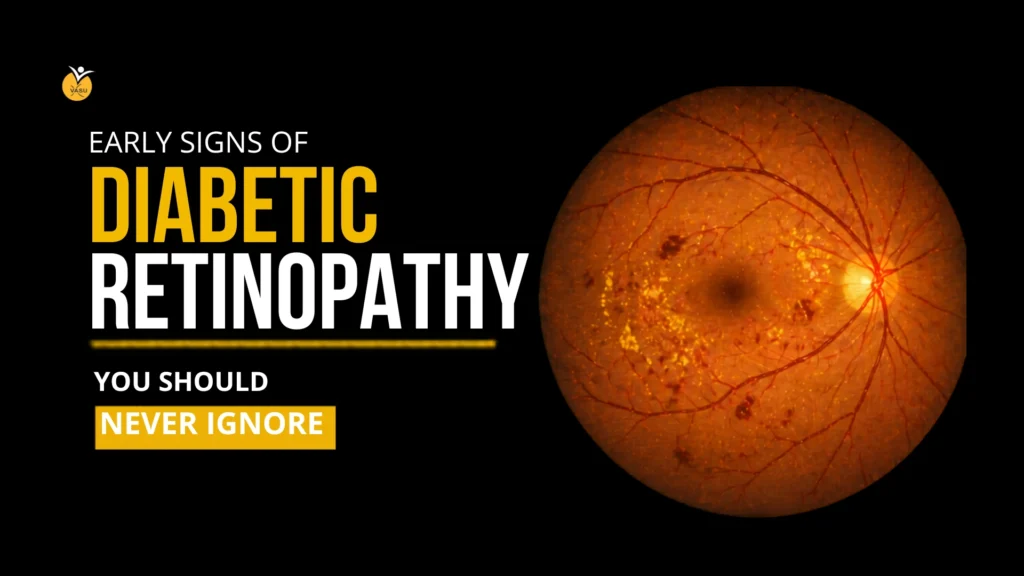
Diabetes can affect many parts of the body, including the eyes. One of the most serious eye complications linked to diabetes is diabetic retinopathy, a condition caused by damage to the small blood vessels of the retina. Many people search what is diabetic retinopathy only after noticing vision problems, but the disease often begins silently.
Ignoring early warning signs can increase the risk of permanent vision loss. Recognising diabetic retinopathy symptoms, getting regular eye check-ups, and starting treatment on time are essential for protecting eyesight. At Vasu Eye Hospital, diabetic eye care includes advanced retinal screening, detailed diagnosis, and personalised treatment plans for long-term vision protection.
What is Diabetic Retinopathy?
Many people ask what is diabetic retinopathy when they begin experiencing diabetes-related vision changes. Diabetic retinopathy is a retinal disease that develops when high blood sugar damages tiny blood vessels inside the retina, the light-sensitive layer at the back of the eye.
These damaged vessels may leak fluid, bleed, or block normal blood flow. Over time, this can cause swelling, retinal damage, and reduced vision. If untreated, it may lead to severe sight loss.
Patients with long-term diabetes, poor sugar control, or type 2 diabetes eye problems are at higher risk. Regular retinal examinations help detect the condition early, often before symptoms become obvious.
Why Early Detection is Important
One of the biggest challenges with diabetic retinopathy is that it may not cause symptoms in the beginning. Many patients continue daily life normally while damage slowly progresses inside the eye.
Early detection is important because:
- Treatment can begin before major vision loss
- Swelling or bleeding can be controlled sooner
- Risk of permanent retinal damage reduces
- Better long-term outcomes are possible
- Diabetes-related blindness can often be prevented
At Vasu Eye Hospital, retinal screening helps identify diabetic eye disease at an early stage, allowing timely intervention before vision becomes seriously affected.
Early Signs of Diabetic Retinopathy
Recognising early symptoms can help patients seek treatment quickly. Common diabetic retinopathy symptoms may include:
- Blurred or fluctuating vision
- Floaters or black spots
- Difficulty reading clearly
- Trouble seeing at night
- Distorted central vision
- Sudden visual changes
- Blurry vision due to diabetes that comes and goes
Some people also experience early stage diabetes eyes symptoms such as mild blur, eye strain, or reduced contrast sensitivity. Even mild changes should not be ignored, especially in diabetic patients.
When to See an Eye Specialist
Many patients wait until vision becomes poor before visiting an eye doctor. This delay can be risky because diabetic retinopathy may worsen without pain or major symptoms.
You should see an eye specialist if you notice:
- Repeated blurry vision
- Sudden floaters
- Difficulty focusing
- Vision changes while blood sugar fluctuates
- Dark areas in sight
- Long-standing diabetes without recent eye check-up
At Vasu Eye Hospital, retina specialists evaluate diabetic patients using modern imaging tools and detailed retinal examinations to detect hidden damage early.
Risk Factors for Diabetic Eye Disease
Several factors increase the chance of developing diabetic retinal damage. Many patients ask what causes diabetic eye disease. The most common causes and risk factors include:
- Poor blood sugar control
- Long duration of diabetes
- High blood pressure
- High cholesterol
- Kidney disease
- Pregnancy with diabetes
- Smoking
- Uncontrolled type 2 diabetes eye problems
Managing these factors can significantly lower the risk of progressive retinal damage.
Diagnosis and Screening Methods
Regular eye screening is the best defence against diabetic retinopathy. Even if vision feels normal, retinal damage may already be present.
Common diagnostic methods include:
- Dilated retinal examination
- Retina photography
- OCT scan for swelling detection
- Fluorescein angiography when required
- Visual acuity testing
At Vasu Eye Hospital, advanced retinal diagnostics are used to assess leakage, bleeding, swelling, and retinal health. These tests help specialists decide whether observation, injections, laser, or surgery is needed.
Prevention Tips for Healthy Eyes
Protecting eyesight starts with diabetes management and routine eye care. Important prevention steps include:
- Maintain healthy blood sugar levels
- Keep blood pressure controlled
- Manage cholesterol
- Avoid smoking
- Exercise regularly
- Eat a balanced diet
- Get annual retina check-ups
- Report any blurry vision due to diabetes early
Patients who act early usually have better long-term visual outcomes than those who wait for symptoms to worsen.
Where to Go for Diabetic Eye Checkup Near You
Choosing the right eye hospital is important for diabetic patients. You need a centre with retina expertise, modern diagnostics, and timely treatment options.
At Vasu Eye Hospital, diabetic eye care is handled by experienced specialists using advanced retinal imaging and evidence-based treatment methods. Patients receive customised care plans based on disease stage, sugar control, and vision needs.
The hospital provides screening, early diagnosis, intravitreal injections, laser treatment, and surgical retinal care when required. With a focus on prevention and timely management, Vasu Eye Hospital helps patients protect vision from diabetes-related complications.
FAQs
Early symptoms may include mild blurred vision, floaters, difficulty reading, fluctuating eyesight, or trouble seeing clearly at night. Some patients may have
Yes, diabetic retinopathy often begins silently without noticeable symptoms. Retinal blood vessel damage may progress before vision changes appear, which is why diabetic patients should schedule routine eye examinations regularly.
Most diabetic patients should have a comprehensive eye examination at least once every year. Those with existing retinal changes may need more frequent visits based on specialist advice.
Early-stage retinopathy may be controlled and progression slowed through better sugar management, blood pressure control, and timely treatment. Vision outcomes improve significantly when the disease is detected early.