

What is Diabetic Retinopathy? Causes, Symptoms & Treatment Options

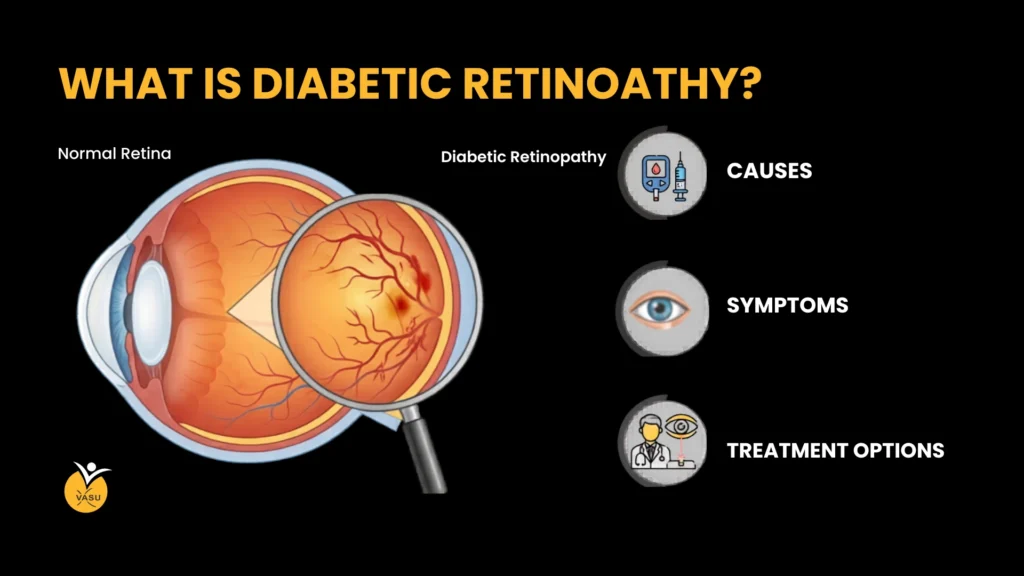
Diabetic retinopathy is a serious eye condition caused by long-term diabetes, affecting the blood vessels of the retina. It is one of the leading causes of preventable blindness and is often linked with progressive eye damage in diabetes. Many patients are unaware of the condition in its early phase because symptoms may not appear immediately.
Over time, uncontrolled blood sugar levels can lead to vision problems related to diabetes, including blurred vision, floaters, and even permanent sight loss. Early diagnosis and timely diabetic retinopathy treatment are essential to prevent complications such as eyesight loss due to diabetes. Understanding how this condition develops and progresses helps patients take timely action to protect their vision.
What is Diabetic Retinopathy?
Diabetic retinopathy is a condition where high blood sugar levels damage the tiny blood vessels in the retina. The retina is responsible for capturing light and sending visual signals to the brain. When these blood vessels weaken, leak, or become blocked, it leads to eye with diabetic retinopathy, affecting vision quality over time.
In advanced cases, abnormal blood vessels may grow, leading to complications such as bleeding in eyes due to diabetes. This condition develops gradually and may affect both eyes if not managed properly.
Causes of Diabetic Retinopathy
The primary cause of diabetic retinopathy is prolonged high blood sugar levels. Over time, excess glucose damages the retinal blood vessels, leading to leakage, swelling, and restricted blood flow.
Other contributing factors include:
- Long duration of diabetes
- Poor blood sugar control
- High blood pressure
- High cholesterol levels
- Smoking and unhealthy lifestyle
These factors accelerate eye damage in diabetes and increase the risk of developing severe complications. Understanding the root cause of diabetic retinopathy symptoms helps in early prevention and management.
Common Symptoms of Diabetic Retinopathy
The symptoms of diabetic retinopathy often develop gradually. In the early stages, patients may not notice any significant changes in vision. However, as the condition progresses, several signs may appear.
Some of the most common diabetic retinopathy symptoms include:
- Blurred or fluctuating vision
- Dark spots or floaters in vision
- Difficulty seeing at night
- Sudden vision loss in severe cases
- Distorted or patchy vision
Patients may also experience early stage diabetes eyes symptoms, which are often mild but should not be ignored. If untreated, these symptoms can lead to severe eyesight loss due to diabetes.
Stages of Diabetic Retinopathy
Diabetic retinopathy progresses through different stages, each with increasing severity.
1. Mild Non-Proliferative Stage
Small areas of swelling in retinal blood vessels occur. Vision may still remain normal at this stage.
2. Moderate Non-Proliferative Stage
Blood vessels begin to block, reducing blood supply to the retina. This leads to early signs of vision problems related to diabetes.
3. Severe Non-Proliferative Stage
More blood vessels become blocked, causing significant retinal damage and increased risk of complications.
4. Proliferative Diabetic Retinopathy
New abnormal blood vessels grow in the retina. These vessels may rupture, leading to bleeding in eyes due to diabetes and severe vision loss.
Early detection at any stage allows timely diabetic retinopathy treatment and reduces the risk of permanent damage.
How Diabetic Retinopathy is Diagnosed
Diagnosis of diabetic retinopathy involves a detailed eye examination. Early detection plays a crucial role in preventing complications.
Doctors typically use:
- Dilated eye examination to check retinal blood vessels
- Optical Coherence Tomography (OCT) for retinal imaging
- Fundus photography to monitor changes
- Fluorescein angiography to detect leakage
Regular eye check-ups help detect eye damage in diabetes even before symptoms appear, allowing timely intervention.
Treatment Options for Diabetic Retinopathy
The choice of treatment depends on the stage and severity of the condition. Early stages may be managed with strict blood sugar control and regular monitoring.
Advanced diabetic retinopathy treatment options include:
- Laser treatment to seal leaking blood vessels
- Intravitreal injections to reduce swelling and abnormal vessel growth
- Vitrectomy surgery in severe cases with internal bleeding
Timely treatment helps prevent further progression and reduces the risk of eyesight loss due to diabetes. Managing diabetes alongside treatment is essential for long-term success.
Tips to Prevent Diabetic Eye Damage
Prevention plays a key role in reducing the risk of diabetic retinopathy.
- Maintain stable blood sugar levels
- Monitor blood pressure and cholesterol
- Get regular eye examinations
- Follow a healthy diet and lifestyle
- Avoid smoking and alcohol
Taking these steps helps reduce vision problems related to diabetes and prevents long-term complications. Early awareness and consistent care are the most effective strategies.
Best Eye Hospital for Diabetic Retinopathy Treatment
Choosing the right hospital is essential for effective diagnosis and treatment. A well-equipped eye care center with experienced specialists ensures accurate evaluation and advanced treatment.
At Vasu Eye Hospital, diabetic eye care is supported through advanced diagnostic technology and specialised treatment approaches. Patients receive personalised care plans based on their condition, helping manage diabetic retinopathy symptoms effectively.
With experienced ophthalmologists and modern equipment, Vasu Eye Hospital focuses on early detection, timely diabetic retinopathy treatment, and long-term vision protection. The hospital provides comprehensive care for managing eye damage in diabetes and preventing complications.
FAQs
It is an eye condition caused by damage to retinal blood vessels due to high blood sugar levels. It can lead to blurred vision, bleeding in eyes due to diabetes, and long-term vision problems if not treated early.
Diabetes affects the eyes by damaging tiny retinal blood vessels, leading to eye damage in diabetes. Over time, this may cause symptoms such as blurred vision, floaters, and other vision problems related to diabetes.
The main cause is prolonged high blood sugar levels. This damages retinal blood vessels, leading to leakage, swelling, and reduced blood supply, which may result in symptoms and gradual eyesight loss due to diabetes.
It cannot be completely cured, but early diagnosis and proper treatment can control progression. Timely care helps prevent further eye damage in diabetes and reduces the risk of severe vision loss.
Diabetes can affect the eyes over several years, especially if blood sugar is not controlled. Early stage diabetes eyes symptoms may appear slowly, making regular eye check-ups important for early detection.
Damage caused by this condition can be permanent if not treated on time. However, with early intervention and proper treatment, progression can be slowed and vision can be preserved effectively.