
How Intravitreal Injections Save Vision in Diabetic Retinopathy Patients

Diabetic retinopathy is one of the most common diabetes-related eye conditions and a major cause of preventable vision loss. High blood sugar can damage the tiny blood vessels of the retina, leading to leakage, swelling, bleeding, and gradual decline in sight. When retinal swelling affects the central vision area, timely treatment becomes extremely important.
One of the most effective modern treatments used for this condition is eye injections, also known as intravitreal injections. These injections deliver medicine directly inside the eye to reduce swelling, control abnormal blood vessel growth, and help preserve vision. Many patients search for what are intravitreal injections, intravitreal injection meaning, or wonder whether do eye injections hurt. Understanding the procedure can reduce fear and help patients take timely action.
What Are Intravitreal Injections?
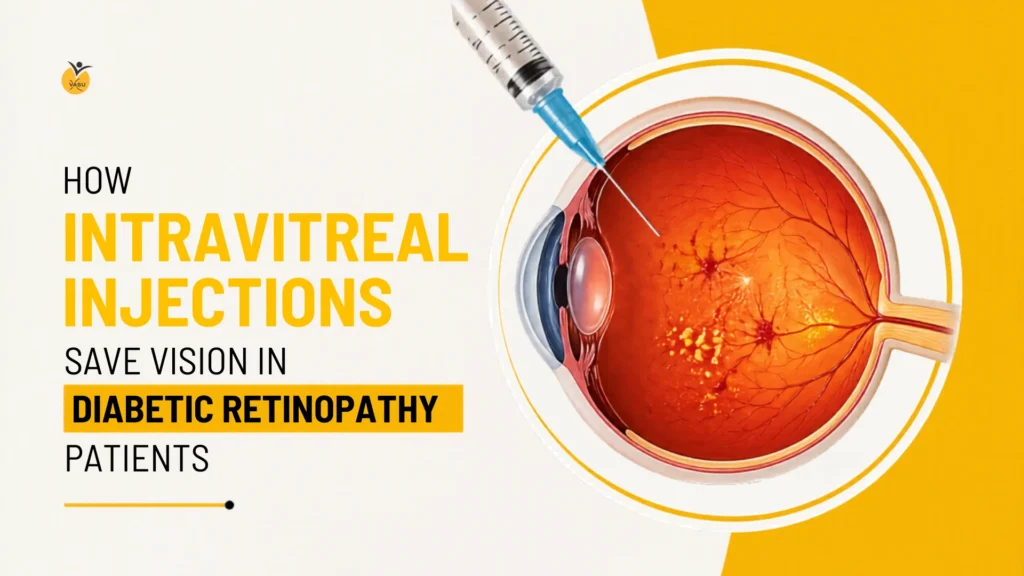
Intravitreal injections are specialised medical treatments in which medicine is injected into the vitreous cavity of the eye. The vitreous is the gel-like space inside the eye that allows the medicine to reach the retina directly.
The intravitreal injection meaning refers to medication placed inside the eye for treating retinal diseases such as diabetic retinopathy, macular edema, retinal vein occlusion, and age-related macular degeneration. These are also commonly called retinal eye injections because they are mainly used to treat retinal conditions.
Many patients ask what are intravitreal injections because the name sounds complex, but the procedure is short, commonly performed, and highly effective when advised by a retina specialist.
How Intravitreal Injections Work
The treatment works by delivering medicine directly to the affected retinal tissues. This targeted method allows faster action than oral medicines or routine eye drops.
In diabetic retinopathy, leakage from damaged blood vessels causes swelling in the retina. Intravitreal injections anti vegf medicines help block abnormal vessel growth and reduce leakage. Patients often search what is anti vegf treatment because anti-VEGF therapy is one of the most common treatments for diabetic macular edema.
These intravitreal injections work by:
- Reducing retinal swelling
- Controlling fluid leakage
- Slowing abnormal blood vessel growth
- Helping stabilise or improve vision
- Preventing further retinal damage
Patients also ask how long do eye injections take to work. Improvement may begin within days or weeks depending on the disease severity and response to treatment.
Benefits of Intravitreal Injections
Intravitreal injections have transformed diabetic retina care by helping many patients avoid severe vision loss.
Key benefits include:
- Direct delivery of medicine to the retina
- Effective control of diabetic macular edema
- Reduced bleeding and swelling
- Better chances of preserving central vision
- Minimally invasive day-care treatment
- Repeatable treatment when medically required
For many patients, eye injections become an important part of long-term retina management. When given at the right time, they can significantly reduce the risk of permanent visual decline.
Who Needs Intravitreal Injections?
Not every diabetic patient needs injections, but they are strongly considered when retinal damage starts affecting vision or when scans show significant swelling.
You may need retinal eye injections if you have:
- Diabetic macular edema
- Proliferative diabetic retinopathy
- Retinal vein blockage with swelling
- Abnormal blood vessel growth
- Sudden drop in central vision
Patients often delay treatment because they fear injections. However, early treatment gives better results than waiting until damage becomes advanced.
The retina specialists at Vasu Eye Hospital assess whether intravitreal injections anti vegf or other medicines are the right option based on the retinal condition.
Risks and Side Effects Intravitreal Injections
Like any medical procedure, intravitreal injections can have side effects, though serious complications are uncommon when performed under sterile conditions.
Common eye injections side effects may include:
- Mild redness
- Watering or irritation
- Temporary blurred vision
- Mild discomfort for a few hours
Possible but uncommon intravitreal injections side effects include:
- Infection
- Increased eye pressure
- Inflammation
- Internal bleeding
Many patients ask do eye injections hurt. Numbing drops are used before treatment, so most patients feel pressure or minor discomfort rather than pain.
Following aftercare instructions helps reduce risks and supports smooth recovery.
Where to Take Intravitreal Injection Treatment?
Choosing the right centre is important because retina treatment requires accuracy, sterility, and specialist expertise.
At Vasu Eye Hospital, intravitreal injection treatment is provided with:
- Retina specialist evaluation
- Advanced retinal imaging and OCT scans
- Sterile injection protocols
- Evidence-based anti-VEGF treatment plans
- Follow-up monitoring after injection
- Personalised diabetic retina care
The hospital supports through diabetic retinopathy, retinal swelling, and other vitreoretinal disorders using modern treatment systems. Patients receive guidance on expected outcomes, repeat treatment schedules, and long-term retina protection.
If you are noticing blurred vision, diabetes-related eye symptoms, or have been advised injections elsewhere, early retina consultation can help save vision.
FAQs
Intravitreal injections are used to reduce retinal swelling, control abnormal blood vessel growth, and prevent further damage in diabetic retinopathy. They are commonly advised when diabetes starts affecting central vision or retinal scans show fluid leakage.
Most patients do not feel significant pain because numbing drops are used before treatment. They may feel slight pressure or mild discomfort for a few seconds, but the procedure is usually quick and well tolerated.
The actual injection usually takes only a few minutes. Including preparation, cleaning, numbing drops, and short observation afterward, the complete visit is generally brief and done as a day-care procedure.
The number of injections depends on retinal swelling, disease severity, and treatment response. Some patients need a loading phase followed by repeat injections, while others need fewer sessions with regular monitoring.
Common side effects include redness, watering, mild irritation, or temporary blurred vision. Rare complications such as infection or raised eye pressure can occur, which is why follow-up after treatment is important.
Yes, many patients experience stabilisation or improvement in vision, especially when treatment begins early. Results depend on retinal damage severity, diabetes control, and how well the eye responds to therapy.