
Is Intravitreal Injection Painful? What to Expect Before & After Treatment

Many retinal diseases can damage eyesight if treatment is delayed. In such situations, doctors often recommend retinal injections to reduce swelling, stop leakage, or control abnormal blood vessel growth inside the eye. A common concern many patients ask is do eye injections hurt or is intravitreal injection painful before they agree to treatment.
An intravitreal injection is one of the most effective treatments used for diabetic retinopathy, macular edema, retinal vein occlusion, and age-related retinal disease. Because the medicine is delivered directly inside the eye, it can act faster and more effectively than many oral medicines. At Vasu Eye Hospital, advanced intravitreal injection treatment is provided using modern retinal imaging, sterile techniques, and personalised follow-up care.
Many people are also concerned about intravitreal injection price, recovery time, and intravitreal injections side effects. Understanding what happens before, during, and after treatment helps patients feel more confident and prepared.
What is an Intravitreal Injection?
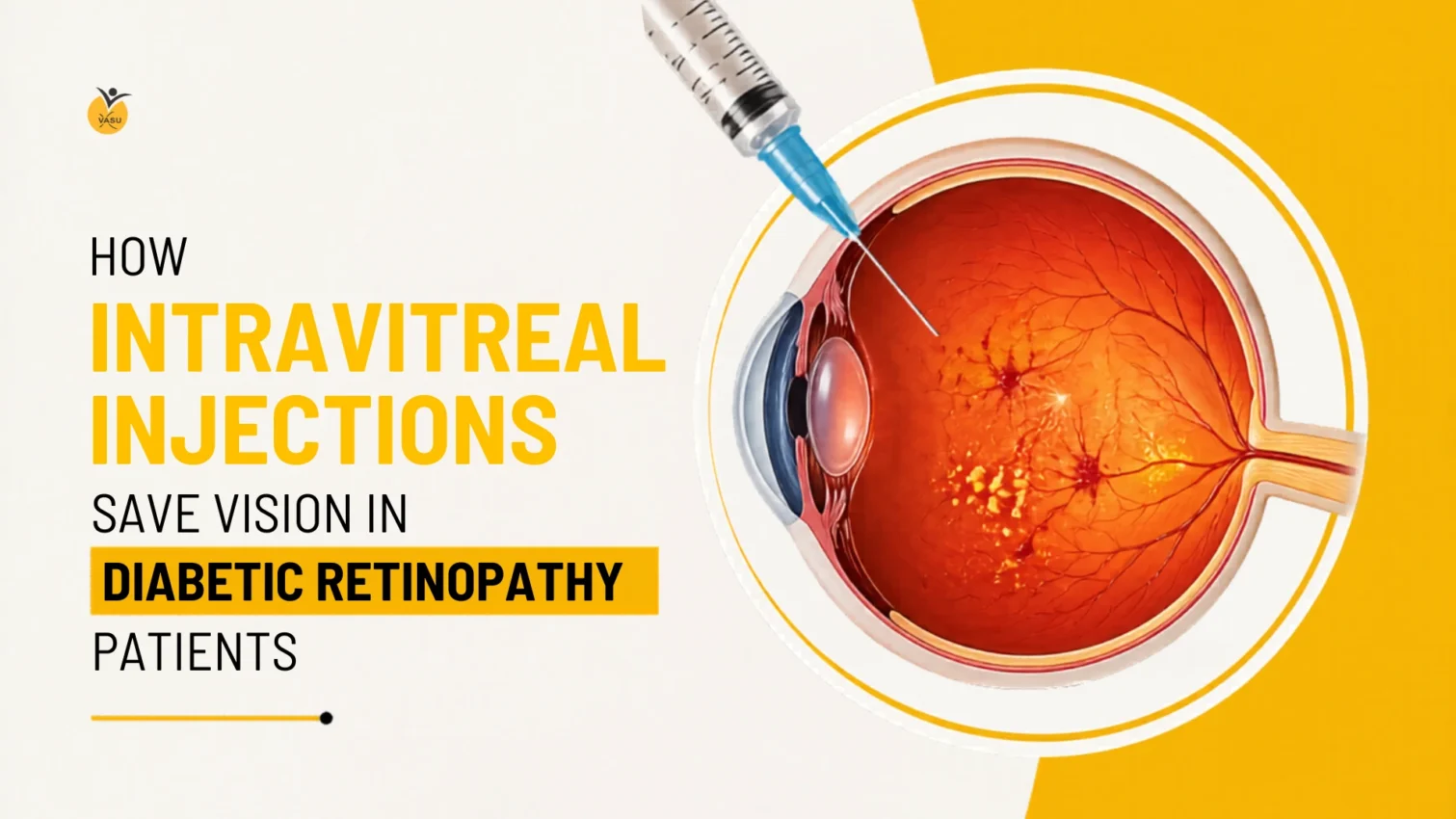
An intravitreal injection is a medical treatment in which medicine is injected into the vitreous cavity of the eye. This allows the drug to directly reach the retina and macula, where serious retinal diseases usually develop.
These injections are commonly advised for:
- Diabetic retinopathy
- Macular edema
- Retinal vein blockage
- Wet age-related macular degeneration
- Retinal inflammation
- Swelling after retinal disease
Many patients searching can retina be cured should know that several retinal problems can often be controlled, stabilised, or improved when treated early. In many cases, repeated retinal injections help preserve eyesight and prevent further retinal damage.
At Vasu Eye Hospital, retina specialists perform detailed evaluations before recommending intravitreal treatment.
Is the Injection Painful?
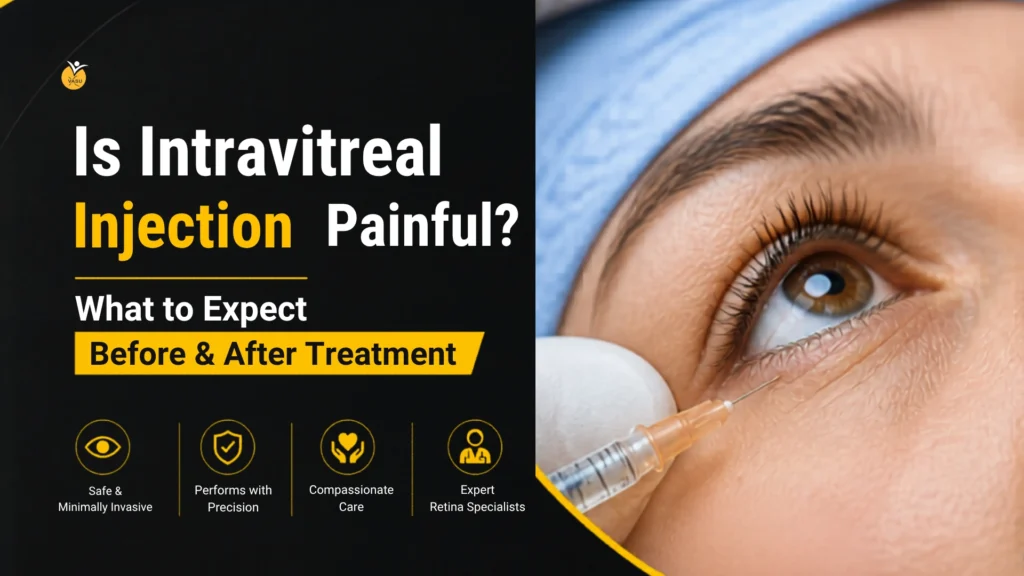
One of the most searched questions is is intravitreal injection painful. In most cases, patients feel little to no pain because strong numbing eye drops are applied before treatment.
During the procedure, patients may feel:
- Mild pressure
- Brief touch sensation
- Slight awareness for a few seconds
Afterward, some patients may notice:
- Mild irritation
- Watering
- Foreign body sensation
- Temporary redness
This is why the answer to do eye injections hurt is usually no significant pain when the injection is performed properly by experienced specialists.
At Vasu Eye Hospital, patient comfort is prioritised through careful preparation, gentle technique, and clear counselling before treatment.
What Happens Before the Procedure?
Before giving any intravitreal injection, the retina specialist performs a complete examination to confirm whether the treatment is needed.
Patients can expect:
- Vision testing
- Retina examination
- OCT scan or retinal imaging
- Eye pressure measurement
- Review of diabetes or blood pressure history
- Explanation of treatment benefits and risks
Patients are also counselled regarding repeat treatment schedules, expected results, and estimated intravitreal injection price, which may vary depending on medicine type and retinal condition.
At Vasu Eye Hospital, every patient receives personalised planning based on retinal findings rather than a one-size-fits-all approach.
Step-by-Step Injection Process
The actual injection process is quick and usually completed within minutes.
Typical steps include:
- Numbing drops are placed in the eye
- Eye area is cleaned thoroughly
- Sterile preparation is done
- Medicine is injected carefully
- Eye is checked after treatment
Most patients are surprised that the procedure is much easier than expected. They often fear severe pain, but usually experience only light pressure for a few seconds.
At Vasu Eye Hospital, strict sterile protocols are followed for every intravitreal injection to maximise safety and comfort.
What to Expect After the Injection
After treatment, temporary mild symptoms are common and usually settle soon.
Patients may notice:
- Slight redness
- Watering
- Mild blur for a few hours
- Light irritation
- Small floating spot
- Mild post intravitreal injection pain or scratchy feeling
Vision improvement depends on the disease being treated. Some people improve quickly, while others need repeated retinal injections over time for best results.
Patients should contact the doctor urgently if they experience:
- Severe pain
- Sudden vision loss
- Increasing redness
- Heavy discharge
- Extreme light sensitivity
Recovery Tips and Precautions
Following post-treatment instructions helps improve healing and comfort after intravitreal treatment.
Helpful precautions:
- Avoid rubbing the eye
- Keep hands clean
- Use prescribed drops if advised
- Avoid dusty environments briefly
- Do not miss follow-up visits
- Report worsening symptoms immediately
Many patients ask about intravitreal injections side effects. Mild irritation, redness, tearing, or temporary blur are common short-term effects. Serious complications are uncommon when injections are performed correctly and follow-up care is maintained.
At Vasu Eye Hospital, patients receive clear written and verbal aftercare guidance after each treatment.
Best Eye Clinic for Intravitreal Injection Treatment
Choosing the right eye clinic is important because retinal diseases often require precision treatment and repeated monitoring.
At Vasu Eye Hospital, intravitreal injection treatment is performed by experienced retina specialists using advanced diagnostic imaging and evidence-based treatment protocols. The hospital manages diabetic retinopathy, macular edema, retinal vascular disease, and other serious retinal conditions.
Patients receive:
- Accurate retinal diagnosis
- Personalised treatment plans
- Safe sterile injection procedures
- Follow-up retina monitoring
- Recovery guidance after treatment
With modern technology and dedicated retina care, Vasu Eye Hospital focuses on protecting vision and improving long-term retinal health through timely retinal injections.
FAQs
Most patients feel little to no pain because numbing eye drops are used before treatment. Some may notice mild pressure, brief discomfort, or temporary irritation for a few seconds during the injection.
Mild redness, watering, slight blur, or irritation may occur temporarily after treatment. Vision improvement depends on the retinal condition, response to medicine, and whether repeated injections are required later.
They deliver medicine directly to the retina for diabetic retinopathy, macular edema, retinal vein blockage, and age-related retinal disease. This targeted treatment helps control swelling, bleeding, and abnormal vessel growth.
Before treatment, the doctor checks vision, examines the retina, reviews medical history, explains risks and benefits, and prepares the eye using cleaning solution and numbing drops.
The eye is numbed and cleaned under sterile conditions. Medicine is then injected carefully into the eye. The full procedure usually takes only a few minutes to complete safely.
Yes, intravitreal injections are widely used and generally safe when performed by trained retina specialists using sterile methods. Regular follow-up appointments help monitor response and reduce treatment-related risks.