
What is an Anti-Vitreal Injection? Procedure, Benefits & Risks

Eye conditions affecting the retina can lead to serious vision problems if not treated on time. One of the most effective modern treatments used in such cases is the anti-vitreal injection, also commonly referred to as eye injections or eye injection treatment. These injections are widely used to manage conditions like diabetic retinopathy, macular degeneration, and retinal swelling.
Many patients feel anxious when they hear about injections in the eye and often ask “is eye injection painful”. However, with modern techniques and proper care, this treatment is safe, quick, and highly effective in preserving vision. Understanding the intravitreal injection procedure, its benefits, and possible risks helps patients make informed decisions about their eye care.
What is an Anti-Vitreal Injection?
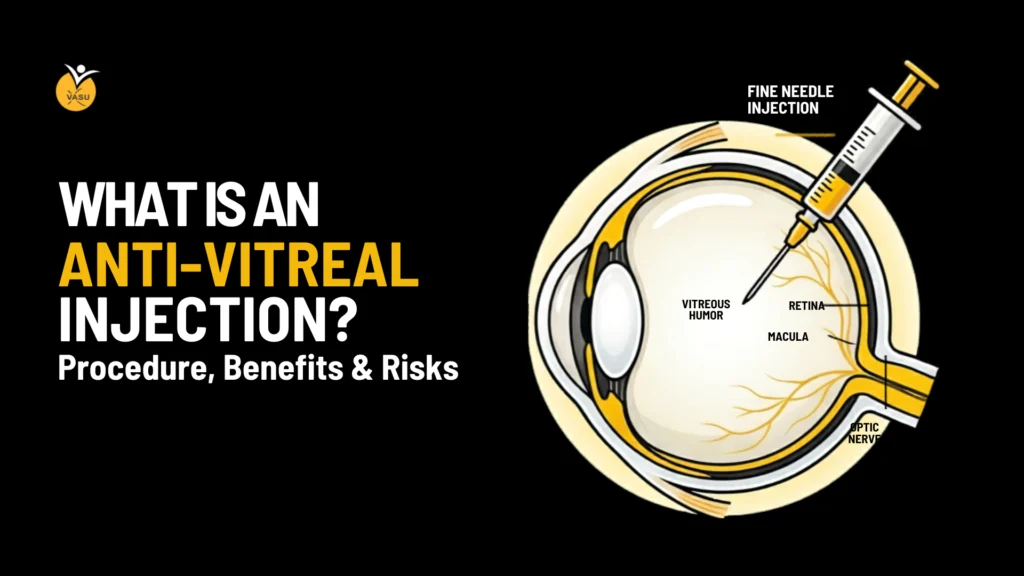
An anti-vitreal injection is a medical procedure in which medication is injected directly into the vitreous cavity of the eye. This method allows the drug to reach the retina effectively and treat underlying conditions.
These eye injections are commonly used to reduce swelling, stop abnormal blood vessel growth, and control fluid leakage inside the eye. The medication used in an anti vitreal injection is carefully selected based on the patient’s condition and severity of disease.
Because the medicine is delivered directly into the eye, it provides faster and more targeted results compared to oral medications or eye drops.
Why is Intravitreal Injection Needed?
The intravitreal injection procedure is recommended when retinal conditions cannot be managed with routine treatment. It is commonly used for:
- Diabetic retinopathy
- Macular edema
- Age-related macular degeneration
- Retinal vein occlusion
These conditions often lead to vision distortion, swelling, or bleeding in the retina. In such cases, eye injection treatment helps control disease progression and prevents further vision loss.
The intravitreal injection dose is decided by the doctor depending on the patient’s condition, response to treatment, and severity of retinal damage. Regular monitoring ensures that the treatment remains effective over time.
Step-by-Step Injection Procedure
Understanding the intravitreal injection procedure helps reduce fear and anxiety among patients.
- The eye is first cleaned and sterilised to prevent infection
- Numbing drops are applied so the patient does not feel pain
- A small device may be used to keep the eye open
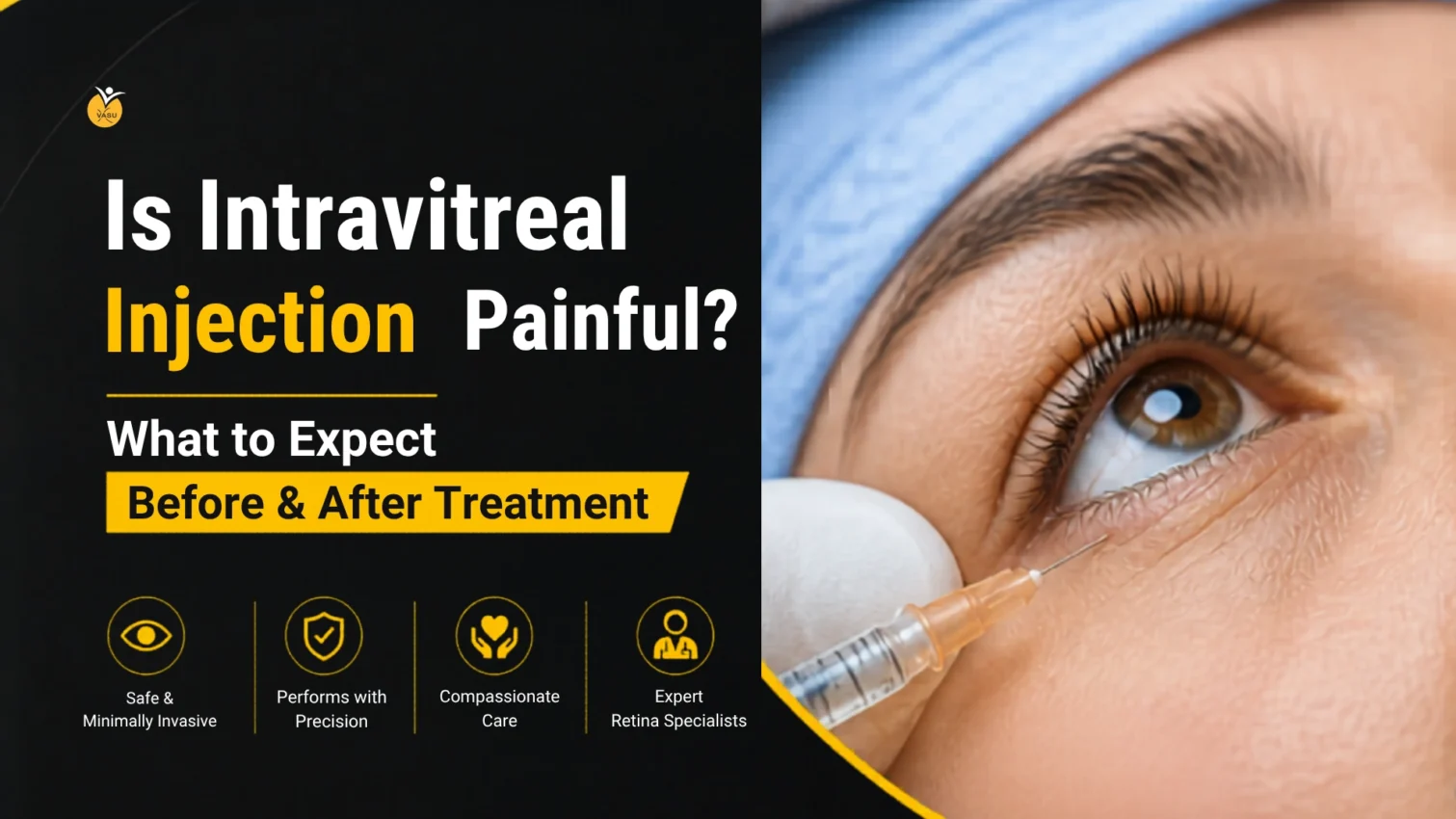
- The medication is injected into the vitreous cavity using a fine needle
- The procedure takes only a few minutes
Most patients feel minimal discomfort during the procedure. For those wondering is eye injection painful, the use of anaesthetic drops ensures that the process is largely painless.
After the injection, the doctor may monitor the eye briefly before allowing the patient to go home.
Benefits of Anti-Vitreal Injections
Anti-vitreal injections provide several important benefits in managing retinal conditions.
- Helps reduce retinal swelling
- Prevents abnormal blood vessel growth
- Improves or stabilises vision
- Slows disease progression
- Provides targeted drug delivery
Compared to other treatments, eye injection treatment delivers medication directly to the affected area, making it highly effective. In many cases, regular eye injections can help maintain vision and prevent further deterioration.
Risks and Side Effects
Although anti-vitreal injections are considered safe, some risks and side effects may occur.
- Mild redness or irritation
- Temporary blurred vision
- Light sensitivity
- Mild discomfort after injection
Rare but serious complications include infection, increased eye pressure, or internal bleeding. These are uncommon when the intravitreal injection procedure is performed under proper sterile conditions.
Patients should report any unusual symptoms immediately to avoid complications.
Recovery After Anti-Vitreal Injection
Recovery after an anti vitreal injection is usually quick and uncomplicated.
- Patients can return home the same day
- Mild irritation may last for a few hours
- Vision may appear slightly blurred temporarily
- Normal activities can be resumed within a day
Doctors may prescribe eye drops to prevent infection and reduce discomfort. Following post-treatment instructions carefully helps ensure smooth recovery.
Patients are often scheduled for follow-up visits to monitor progress and determine if additional intravitreal injection dose is required.
Who Needs This Treatment?
Anti-vitreal injections are recommended for patients with retinal conditions that affect vision quality.
You may need this treatment if you experience:
- Sudden or gradual vision loss
- Distorted or blurred vision
- Swelling in the retina
- Bleeding in eyes due to retinal disease
Early diagnosis plays a crucial role in deciding the right eye injection treatment plan. Not all patients require injections, but those with advanced retinal issues benefit significantly from timely intervention.
Where to Get Safe Anti-Vitreal Injection Treatment
Choosing the right hospital is essential for safe and effective treatment. A reliable eye care center should have advanced diagnostic tools, experienced specialists, and strict sterilisation protocols.
At Vasu Eye Hospital, anti-vitreal injections are performed using modern techniques and precision-based methods to ensure safety and effectiveness. The specialists carefully evaluate each case before deciding the appropriate intravitreal injection procedure and treatment plan.
With experienced ophthalmologists and advanced technology, Vasu Eye Hospital provides safe and reliable eye injections for managing complex retinal conditions. Patients also receive complete guidance on recovery and follow-up care, ensuring long-term vision protection.
FAQs
Yes, anti vitreal injection is considered safe when performed by experienced specialists under sterile conditions. It is widely used for retinal diseases and helps control vision problems effectively with minimal risk of complications.
The intravitreal injection procedure usually takes only a few minutes. Including preparation and monitoring time, the entire process is completed within a short visit, and patients can return home the same day.
Mild side effects such as redness, irritation, or blurred vision may occur after eye injections. These are usually temporary and improve within a short time. Serious complications are rare when proper care is followed.
The frequency of intravitreal injection dose depends on the condition being treated and patient response. Some patients may need repeated injections over time to maintain results and control disease progression effectively.
Yes, patients can go home shortly after the eye injection treatment. It is a day-care procedure, and most individuals can resume normal activities within a day, following the doctor’s advice for recovery.