

Common Myths and Facts About Cataract Surgery You Should Know

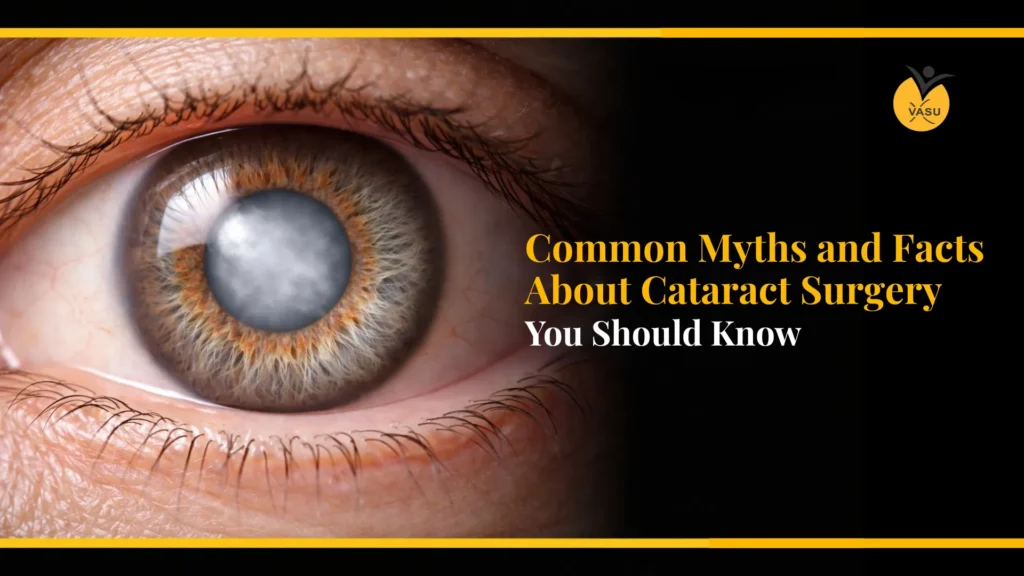
Cataract is one of the most common age-related eye conditions and a leading cause of vision impairment worldwide. Despite medical advancements, many people still hesitate to undergo cataract eye surgery due to fear, misinformation, and commonly shared myths about cataract surgery. These misunderstandings often delay treatment and increase the risk of avoidable vision loss.
Understanding accurate information about cataract eye surgery helps patients make informed decisions. Many individuals search online for answers to questions such as how to cure cataract, is eye cataract dangerous, or will cataract come back after surgery. Patients also frequently ask how many days precautions after cataract surgery are necessary for proper healing and safe recovery.
This guide explains the facts behind cataract surgery, clarifies misconceptions, and provides reliable information on treatment, recovery, and when medical consultation becomes necessary.
What Is Cataract Surgery and Why Is It Needed
A cataract develops when the natural lens of the eye becomes cloudy. This cloudiness blocks light from reaching the retina clearly and gradually affects vision. Patients may experience blurred vision, glare from lights, difficulty seeing at night, and faded colours.
Many people ask what is the main reason for cataract. The most common reason is ageing. As we age, proteins in the eye lens begin to break down and clump together, creating cloudy areas that affect vision.
However, ageing is not the only factor responsible for cataracts. Other causes include:
- Diabetes
- Long-term steroid medication
- Eye injury or trauma
- Prolonged exposure to ultraviolet (UV) light
- Smoking
- Genetic predisposition
When cataracts begin interfering with daily activities such as reading, driving, or recognising faces, cataract eye surgery becomes necessary.
Some patients search online for how to cure cataract naturally, but it is important to understand that no medication, exercise, or home remedy can remove a cataract once it forms. Cataract surgery remains the only effective medical treatment that restores vision.
Common Myths About Cataract Surgery
Many myths about cataract surgery create confusion and unnecessary fear among patients. Understanding the difference between myths and facts helps patients make better decisions.
Myth 1: Cataract Can Be Cured Without Surgery
- Many people search for how to cure cataract without surgery, believing eye drops or natural remedies can clear the lens.
Fact:
- There is currently a non-surgical method that can remove a cataract.
- Cataract surgery is the only medically proven treatment that restores clear vision.
Myth 2: Cataract Surgery Is Dangerous
- Patients often worry and ask: is eye cataract dangerous and whether surgery itself is risky.
Fact:
- Modern cataract eye surgery is one of the safest procedures performed worldwide.
- The real danger lies in leaving cataract untreated, because eye cataract is dangerous when it severely reduces vision and affects daily life.
Myth 3: Cataract Surgery Should Be Delayed Until Vision Is Very Poor
- Some patients believe surgery should only be done when vision becomes extremely blurry.
Fact:
- Waiting too long can make cataract surgery more complicated.
- Early treatment usually leads to easier surgery and faster recovery.
Myth 4: Cataract Will Come Back After Surgery
- Many patients ask repeatedly: will cataract come back after surgery.
Fact:
- Once cataract eye surgery removes the cloudy lens, the cataract does not return.
- In some cases, mild cloudiness may develop behind the artificial lens, but it can be easily treated with a quick laser procedure.
Facts About Cataract Surgery You Should Know
Understanding the facts about cataract eye surgery helps reduce anxiety and improve patient confidence.
Important facts include:
- Cataract surgery usually takes around 15–20 minutes
- It is performed under local anaesthesia
- Most procedures are day-care surgeries
- Patients typically return home the same day
- Vision improvement often begins within a few days
These facts explain why cataract surgery is considered one of the most successful procedures in modern ophthalmology.
Patients who learn the facts about cataract surgery often realise that delaying treatment because of myths about cataract surgery can unnecessarily affect their quality of life.
What to Expect Before and After Cataract Surgery
Before cataract surgery, the eye specialist performs a detailed examination to evaluate the condition of the eye. Measurements are taken to select the appropriate artificial lens that will replace the cloudy natural lens.
During this consultation, patients also learn how many days precautions after cataract surgery are required to ensure proper healing.
After surgery, mild symptoms such as watering, irritation, or sensitivity to light may occur temporarily. These symptoms usually improve within a few days.
Patients often ask again: how many days precautions after cataract surgery should be followed.
Generally, precautions last for about two to four weeks, including:
- Using prescribed eye drops regularly
- Avoiding rubbing the eyes
- Protecting the eyes from dust and pollution
- Avoiding heavy lifting or strenuous activity
- Attending scheduled follow-up visits
Following these precautions helps ensure smooth recovery and stable vision after cataract surgery.
When Should You Consult an Eye Specialist
Consulting an eye specialist at the right time is important to prevent complications related to cataracts.
You should seek medical advice if you notice:
- Blurred or cloudy vision
- Difficulty seeing at night
- Glare from headlights or bright lights
- Frequent changes in glasses prescription
- Faded or dull colours
Many patients start searching online for how to cure cataract when these symptoms appear. However, the most reliable step is to consult an eye specialist who can diagnose the condition and recommend appropriate treatment.
Early consultation also helps address concerns such as is eye cataract dangerous and provides clarity about the need for cataract eye surgery.
FAQs
Yes. Cataract surgery permanently removes the cloudy lens and replaces it with a clear artificial lens to restore vision.
No. Once the cataract is removed during surgery, it does not return. In some cases, mild cloudiness may develop later, which can be treated with a simple laser procedure.
Most patients notice clearer vision within a few days. Following the recommended precautions after cataract surgery helps ensure proper healing and stable vision.