

Common Causes of Ocular Trauma and How to Prevent Eye Injuries

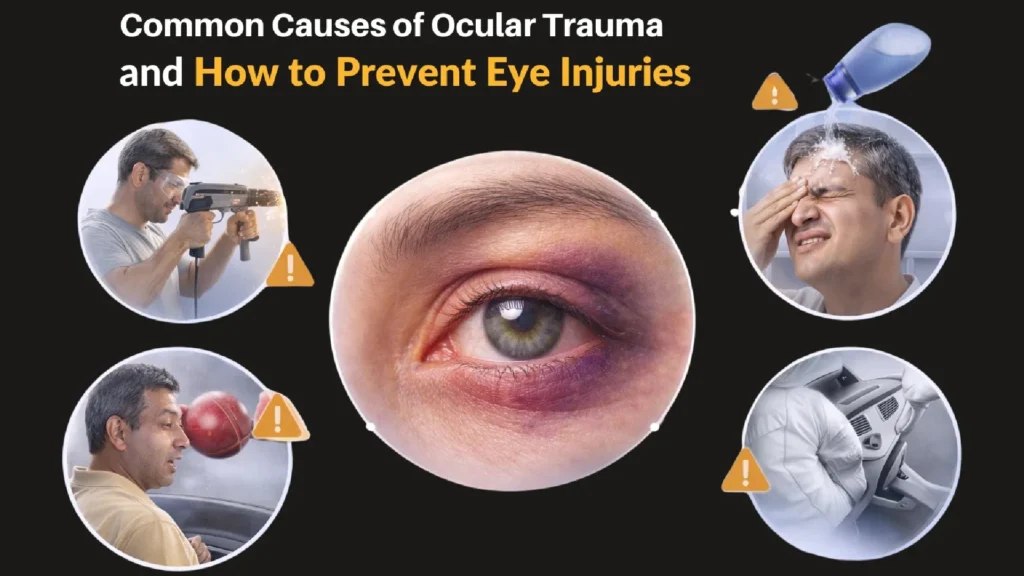
The eyes are among the most delicate and vital organs of the human body. Even a seemingly minor injury can result in serious complications if not addressed promptly. Ocular trauma is one of the leading causes of sudden eye emergencies and preventable vision loss across all age groups. From household accidents to workplace injuries and sports-related incidents, eye injuries can occur unexpectedly and may have long-term consequences.
Understanding the causes of ocular trauma, recognising early warning signs, and knowing how to prevent eye injuries are essential steps in protecting eyesight. This blog explains what ocular trauma is, the common types and causes of ocular trauma, how it is managed in ocular trauma ophthalmology, and practical strategies to prevent eye injuries in daily life.
What Is Ocular Trauma?
Ocular trauma refers to any injury to the eye or the surrounding structures caused by physical, chemical, or mechanical force. These injuries may affect different parts of the eye, including the eyelids, cornea, lens, retina, or optic nerve. Depending on severity, ocular trauma can range from mild irritation to severe damage leading to permanent vision loss.
Many people wonder whether ocular trauma is disease related to internal health conditions. In most cases, ocular trauma is caused by external injury rather than an internal disease. However, untreated eye trauma can later trigger secondary eye conditions such as cataract, glaucoma, retinal detachment, or chronic inflammation. This is why early assessment and treatment under ocular trauma ophthalmology is critical for preserving vision.
Common Causes of Ocular Trauma
Understanding the causes of ocular trauma helps in prevention and ensures early medical attention when needed. Some of the most frequent causes include:
Accidental Injuries
Road traffic accidents, falls, and household mishaps are common contributors to ocular trauma. Sharp objects, blunt force, or broken glass can result in serious eye injury, even without visible external damage.
Workplace-Related Eye Injuries
Industrial settings, construction sites, factories, and workshops pose significant risks. Exposure to dust, metal fragments, chemicals, and heavy machinery increases the likelihood of ocular trauma, especially when protective eyewear is not used consistently.
Sports and Recreational Activities
Contact sports such as cricket, football, badminton, boxing, and even casual outdoor play can cause eye injuries. A fast-moving ball, elbow, or accidental collision can result in blunt or penetrating eye trauma
Chemical Exposure
Cleaning agents, industrial chemicals, acids, and alkalis can cause severe chemical burns if they enter the eye. Chemical ocular trauma is considered a medical emergency and requires immediate irrigation and specialist care.
Firecrackers and Explosions
Fireworks-related injuries are a major cause of ocular trauma during festive seasons. These injuries can damage multiple eye structures simultaneously and may lead to permanent vision impairment if not treated urgently.
Types of Ocular Trauma
Recognising the types of ocular trauma helps determine urgency and appropriate treatment.
Blunt Eye Trauma
Caused by impact from objects such as fists, balls, or hard surfaces. It may lead to bruising, internal bleeding, lens damage, or retinal injury even if the eye surface appears intact.
Penetrating or Open Globe Injury
Occurs when a sharp object pierces the eye. This is a serious emergency in ocular trauma ophthalmology and requires immediate surgical evaluation.
Chemical Eye Injury
Results from exposure to corrosive substances. Damage can progress rapidly, making immediate washing and medical care essential.
Foreign Body Injury
Dust, metal shavings, wood particles, or debris entering the eye can scratch the cornea or embed within eye tissues, causing pain and infection risk.
Each type of ocular trauma requires specialised evaluation by an ophthalmologist to prevent complications.
Why Early Treatment Is Important for Ocular Trauma
Prompt treatment plays a decisive role in visual outcomes. Delayed or improper care can result in:
- Infection
- Scarring of eye tissues
- Secondary glaucoma or cataract
- Retinal damage
- Permanent or progressive vision loss
Even minor injuries can worsen if ignored. This is why early assessment by a specialist trained in ocular trauma ophthalmology is essential, regardless of how mild the injury initially appears.
How Ocular Trauma Is Managed in Ophthalmology
In ocular trauma ophthalmology, a comprehensive evaluation is performed to assess:
- Visual acuity
- Extent and depth of injury
- Eye pressure
- Internal eye structures, including the retina
Treatment depends on injury type and severity and may include:
- Medications such as eye drops or oral medicines
- Protective eye patches or shields
- Removal of foreign bodies
- Minor procedures or suturing
- Surgical intervention in severe cases
Early and appropriate management significantly improves recovery and reduces the risk of long-term complications.
How Can Ocular Trauma Be Prevented?
Prevention is the most effective way to reduce eye injuries. Practical preventive steps include:
Use Protective Eyewear
Safety goggles or protective glasses at workplaces and during sports can prevent the majority of eye injuries.
Handle Chemicals Carefully
Store cleaning agents safely and use protective gear when handling chemicals. Keep hazardous substances away from children.
Avoid Firecracker Exposure
Maintain a safe distance during fireworks and use eye protection whenever possible.
Supervise Children
Children are particularly vulnerable during play. Adult supervision reduces the risk of accidental eye injuries.
Follow Workplace Safety Guidelines
Strict adherence to safety protocols and use of protective equipment significantly lowers the risk of ocular trauma.
Understanding how ocular trauma can be prevented plays a vital role in maintaining lifelong eye health.
When Should You See a Doctor for an Eye Injury?
Immediate medical attention is required if you experience:
- Sudden or worsening vision loss
- Severe eye pain
- Bleeding from the eye
- Chemical exposure
- Penetrating eye injury
Even mild discomfort, redness, or blurred vision should not be ignored, as delayed treatment may lead to serious complications.
Conclusion
Ocular trauma is a serious but largely preventable cause of vision loss. By understanding the common causes of ocular trauma, recognising different types of ocular trauma, and adopting preventive measures, individuals can protect their eyesight effectively.
Timely evaluation and treatment under ocular trauma ophthalmology ensure better recovery and help prevent long-term visual complications. Any eye injury—no matter how small—deserves professional attention to safeguard vision.
FAQs
Accidents at home, workplaces, during sports, and road traffic incidents are among the most common causes of ocular trauma.
Yes. Even minor injuries can lead to serious complications if not treated promptly.
Using protective eyewear, following safety guidelines, supervising children, and avoiding hazardous exposure can help prevent ocular trauma.
You should seek immediate medical care for pain, vision changes, bleeding, chemical exposure, or any injury that does not improve quickly.