
Laser Treatment for Glaucoma: How It Works, Benefits, and Who Is Eligible

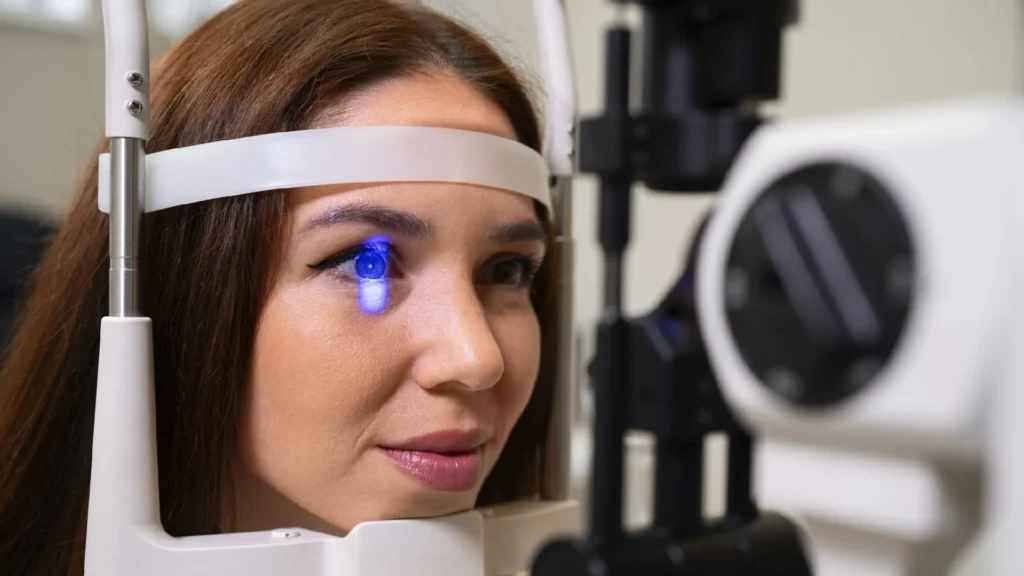
Glaucoma is a progressive eye condition that damages the optic nerve and can lead to permanent vision loss if not treated on time. One of the most effective modern options to control eye pressure is laser surgery for glaucoma treatment, which is commonly recommended when medicines alone are not enough.
With advancements in eye care, glaucoma laser treatment has become an important part of structured eye glaucoma treatment, especially for patients who require better pressure control. Patients seeking glaucoma treatment in Bathinda are often advised laser treatment after a detailed evaluation by a glaucoma specialist.
This blog explains laser treatment for glaucoma, including how it works, glaucoma causes, benefits, eligibility, risks, and when to seek expert care.
What Is Laser Treatment for Glaucoma?
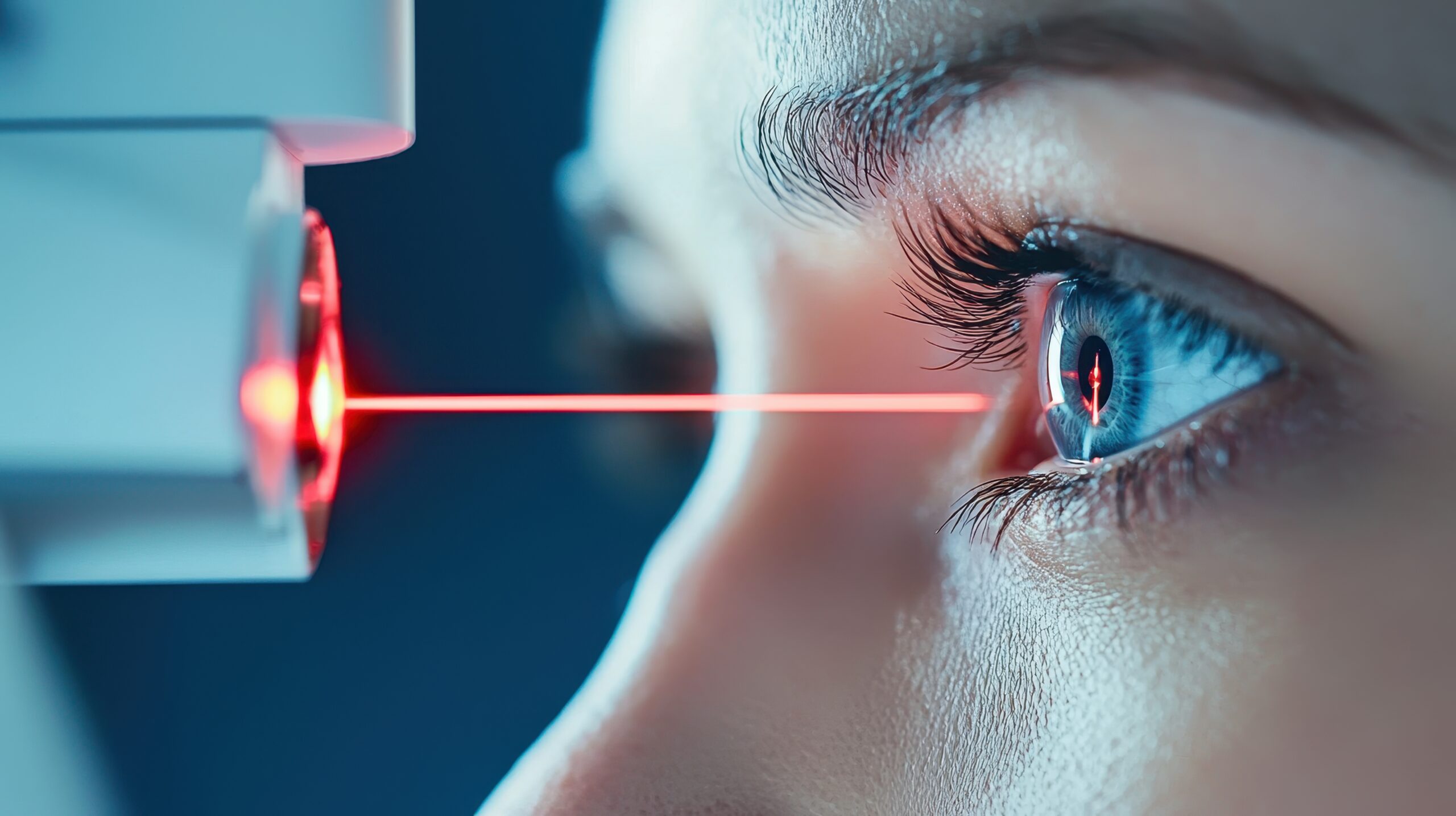
Laser treatment for glaucoma is a medical procedure that uses controlled laser energy to improve the drainage of fluid from the eye or reduce fluid production inside the eye. This helps lower intraocular pressure, which is the main reason for optic nerve damage in glaucoma.
Glaucoma laser treatment does not cure the disease but plays a crucial role in long-term eye glaucoma treatment by slowing disease progression and protecting remaining vision. In many cases, doctors recommend laser surgery for glaucoma treatment when eye drops alone do not provide adequate pressure control.
Glaucoma Causes You Should Know
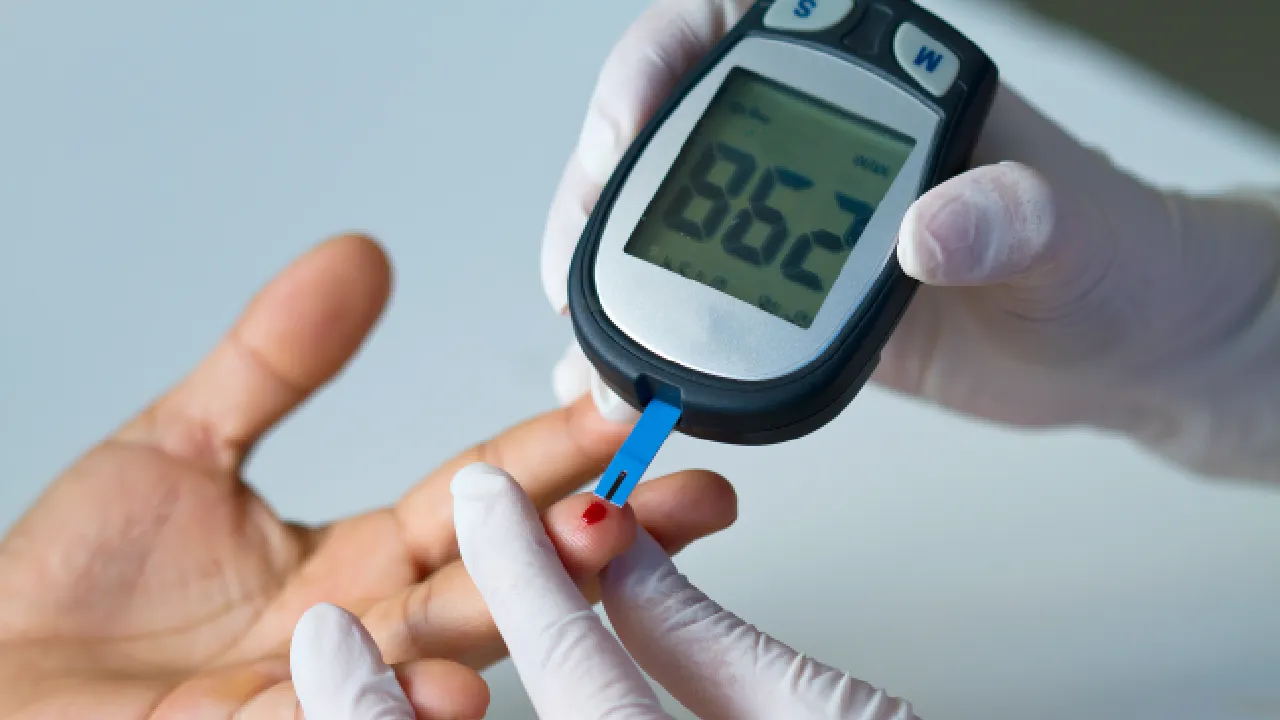
Understanding glaucoma causes helps patients recognise why early treatment is essential. Common glaucoma causes include:
- Increased intraocular pressure
- Poor drainage of eye fluid
- Family history of glaucoma
- Age-related eye changes
- Diabetes and high blood pressure
- Eye injuries or long-term steroid use
Because glaucoma causes optic nerve damage silently in early stages, many patients are diagnosed late. This is why timely eye glaucoma treatment and screening by a glaucoma specialist are critical.
Types of Laser Treatment Used for Glaucoma
Different types of laser eye surgery procedure for glaucoma may be advised depending on the type of glaucoma and clinical evaluation by a glaucoma specialist.
Selective Laser Trabeculoplasty (SLT)
A commonly used glaucoma laser treatment for open-angle glaucoma that helps improve fluid drainage and control eye pressure.
Laser Peripheral Iridotomy (LPI)
Used mainly for angle-closure glaucoma to create a small opening that allows better fluid flow and reduces pressure inside the eye.
In selected advanced cases, other laser-based procedures may be considered as part of overall eye glaucoma treatment, depending on disease severity and response to earlier treatments.
Your glaucoma specialist determines the most appropriate laser eye surgery procedure for glaucoma after a detailed eye examination.
How Does Laser Treatment for Glaucoma Work?
During laser surgery for glaucoma treatment, laser energy targets the eye’s drainage structures. This improves fluid outflow or reduces fluid formation, helping lower eye pressure.
The laser eye surgery procedure for glaucoma:
- Takes only a few minutes
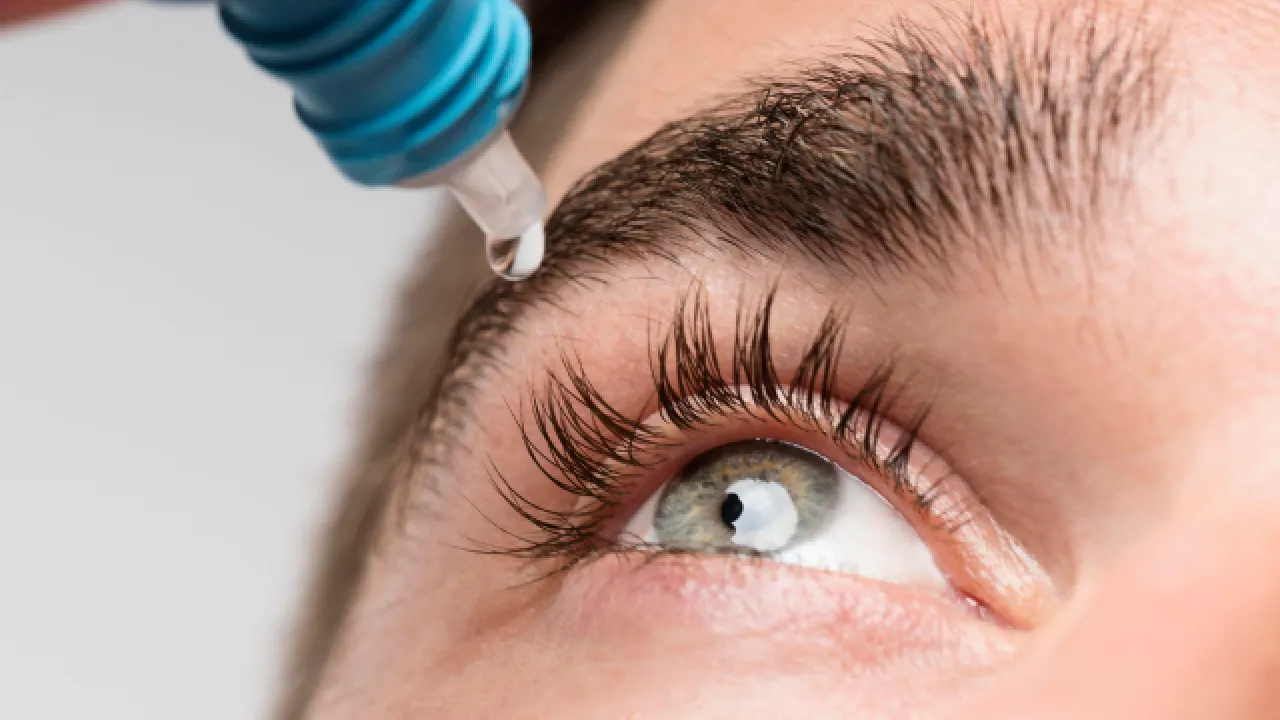
- Is done under anaesthetic eye drops
- Does not require hospital admission
This makes glaucoma laser treatment a convenient and effective option within comprehensive eye glaucoma treatment plans.
Benefits of Laser Treatment for Glaucoma
The benefits of laser surgery for glaucoma treatment include:
- Effective eye pressure control
- Reduced dependence on daily eye drops
- Quick outpatient procedure
- Minimal recovery time
- Can delay or avoid surgical intervention
For many patients, glaucoma laser treatment becomes a valuable step in long-term eye glaucoma treatment.
Who Is Eligible for Laser Glaucoma Treatment?
Eligibility for laser surgery for glaucoma treatment depends on:
- Type of glaucoma
- Eye pressure levels
- Response to medications
- Overall eye condition
A detailed evaluation by a glaucoma specialist helps determine whether glaucoma laser treatment is suitable or whether alternative eye glaucoma treatment options are required.
What to Expect After Laser Treatment?
After laser treatment for glaucoma, patients may experience mild redness, temporary blurred vision, or slight discomfort. These symptoms usually resolve quickly.
Doctors prescribe eye drops and monitor eye pressure closely. Regular follow-ups are essential to assess how well the glaucoma laser treatment is working as part of your overall eye glaucoma treatment plan.
Risks and Side Effects of Laser Treatment for Glaucoma
Although laser surgery for glaucoma treatment is considered safe, possible side effects include:
- Temporary rise in eye pressure
- Mild inflammation
- Short-term vision disturbance
Serious complications are rare when treated under the care of an experienced glaucoma specialist.
When Should You Consult a Glaucoma Specialist?
You should consult a glaucoma specialist if:
- Eye pressure remains high despite medication
- Vision continues to worsen
- You experience side effects from eye drops
- You have risk factors related to glaucoma causes
Early consultation ensures timely eye glaucoma treatment and helps prevent irreversible vision loss. Patients seeking reliable glaucoma treatment in Bathinda should prioritise early diagnosis and regular monitoring.
Glaucoma is a lifelong condition, but timely care can slow progression and preserve vision. Laser surgery for glaucoma treatment is a safe and effective option for many patients and plays an important role in modern glaucoma laser treatment strategies.
If you or a family member has glaucoma, consulting a qualified glaucoma specialist and starting structured eye glaucoma treatment early can make a significant difference. For patients exploring glaucoma treatment in Bathinda, early evaluation and follow-up are key to protecting long-term eye health.
FAQs
Yes. Laser surgery for glaucoma treatment is widely used and considered safe when performed by an experienced glaucoma specialist.
No. Glaucoma laser treatment helps control eye pressure but does not cure the disease.
The effect varies from months to years depending on glaucoma causes and individual response.
Laser treatment cannot prevent glaucoma but helps manage it as part of eye glaucoma treatment.
No. The laser eye surgery procedure for glaucoma is performed using anaesthetic eye drops and is generally painless.
Most patients resume routine activities within 1–2 days after glaucoma laser treatment.
In some cases, laser treatment reduces dependence on eye drops, but many patients still require medication.
Results depend on glaucoma causes, eye condition, and follow-up care.
Laser surgery can be repeated if required, depending on response and disease progression.