
Squint (Cross Eyes) in Children: Causes, Treatment & The Best Age for Surgery in Bathinda

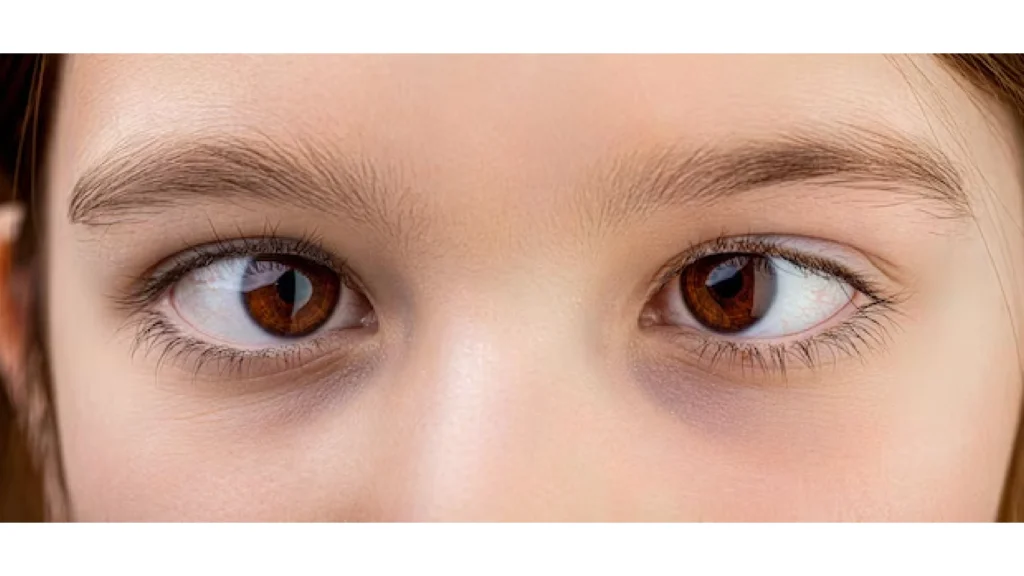
When a child has Squint (crossed eyes), their eyes are not pointing in the same direction. One eye may look straight while the other turns inward, outward, upward, or downward. In medical terms, this is called strabismus, but in many Punjabi households, it is casually described as “kairā/kairī.”ਟੀਰਾ (tira)
Parents in Bathinda and across Punjab and surrounding regions often assume children will “grow out” of a squint. The truth is that without timely care, squint can cause lazy eye (amblyopia), poor depth perception, or long-term vision loss. It may also affect a child’s confidence, school performance, and even social interactions.
The good news is that squint eye treatment is effective and widely available. Options include glasses, patching, exercises, and in some cases, squint surgery for children. With the right care at the right time, children can achieve proper eye alignment and stronger vision.
This blog will explain the causes, signs, and treatment options, along with the best age for squint eye surgery, so that parents in Punjab can make informed decisions for their child’s eye health.
What is Squint?
A squint occurs when both eyes do not move together in the same direction. While one eye looks straight ahead, the other may drift.
Types of Squint in Children
- Esotropia: One eye turns inward (crossed eyes).
- Exotropia: One eye turns outward, more noticeable when the child is tired.
- Intermittent Squint: Eyes are aligned sometimes but drift apart occasionally.
Sometimes a squint is constant, affecting one eye, while in other cases it alternates between both eyes.
Common Causes of Squint in Children
Doctors in Bathinda often see squints linked to vision issues or muscle imbalance. Common causes include:
- Refractive Errors (uncorrected vision problems): Farsighted children may strain to focus, causing the eye to turn in.
- Weak Eye Muscles or Nerve Problems: If the muscles or nerves controlling eye movement don’t work properly, the eyes drift.
- Family History: Squint often runs in families; if a parent or sibling had it, the risk is higher.
- Neurological or Health Conditions: Premature birth, cerebral palsy, or developmental delays can increase risk. Rarely, serious conditions like retinoblastoma may first appear as a squint.
- Vision Loss in One Eye: If the brain stops using the weaker eye, it can drift out of alignment.
- Other Factors: Fatigue, illness, or stress can make an existing squint more obvious.
Signs & Symptoms Parents Should Notice
Early detection makes squint eye treatment more effective. Parents should look for:
Visual Signs
- One eye turns in, out, up, or down.
- Squint appears often, or only when the child is tired.
- Head tilting or turning to see clearly.
- Closing one eye in bright light.
- Unusual white or yellow reflection in photos.
Behavioral Signs
- Complaints of double vision or blurry vision.
- Frequent eye rubbing, headaches, or eye strain.
- Bumping into objects or difficulty judging distances.
- Avoiding reading or sitting too close to screens.
If these signs appear, consult an eye squint specialist. In Punjab, families can access crossed eyes treatment in Bathinda at trusted hospitals like Vasu Hospital Bathinda.
Treatment Options for Squint in Children
Squint treatment depends on the child’s age, type of squint, and whether lazy eye is present.
Non-Surgical Treatments
- Glasses: Correct focusing problems and sometimes align the eyes.
- Patching: Covering the stronger eye strengthens the weaker one.
- Eye Exercises (Vision Therapy): Improve eye muscle coordination
- Eye Drops: Used to blur the stronger eye, similar to patching.
Surgical Treatment
If non-surgical methods are not enough, doctors may recommend squint surgery for children. In this safe procedure, the surgeon adjusts eye muscles to improve alignment.
Why early surgery matters:
- Prevents long-term vision loss in the weaker eye.
- Improves depth perception and hand–eye coordination.
- Helps children avoid teasing and boosts confidence in school and play.
Families seeking crossed eyes treatment in Bathinda can consult Vasu Hospital Bathinda, where both non-surgical care and advanced surgery are available under one roof.
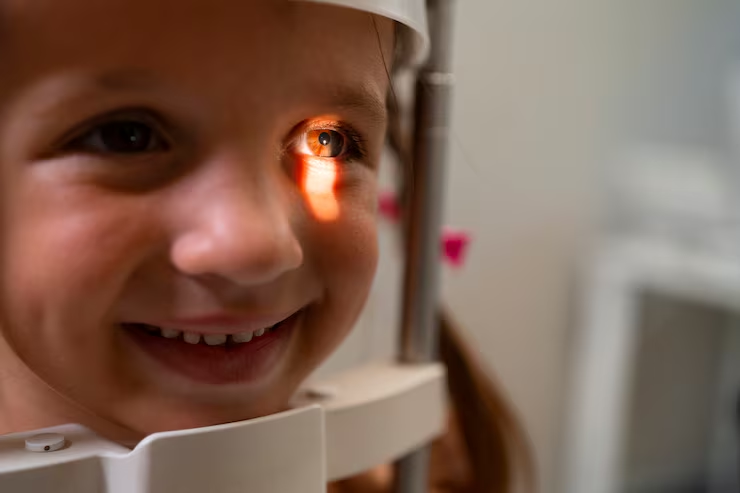
Best Age for Squint Eye Surgery
Doctors usually recommend the best age for squint eye surgery between 2 and 5 years. At this stage, the eyes and brain are still developing, making it easier for children to build proper 3D vision.
Why Early Surgery Helps
- Better Binocular Vision: The brain learns to use both eyes together.
- Healthy Visual Development: Prevents lazy eye and strengthens vision in both eyes.
- Confidence & Appearance: Straight eyes reduce self-consciousness and support healthy social development.
Surgery can be done at any age, but outcomes are best when performed early. For older children or adults, the main goal is improved alignment and reduced double vision.
Post-Surgery Care & Recovery
Parents should know what to expect after surgery:
- Immediate Care: Mild redness or irritation is normal. The eye may be patched briefly.
- Medication: Use prescribed drops to prevent infection and reduce swelling.
- Precautions: No rubbing, swimming, or rough play for at least 2 weeks.
- Recovery: Children usually return to school within a few days. Redness and mild misalignment often settle over weeks.
- Follow-Ups: Regular visits ensure proper healing and eye alignment.
With proper care and guidance from an eye squint specialist, most children recover smoothly and enjoy improved vision and confidence.
Importance of Early Diagnosis & Check-Ups
Squint should never be ignored, especially in children. Early eye exams help detect problems before they affect long-term vision.
- Prevents Lazy Eye: The earlier the treatment, the higher the chance of saving vision in the weaker eye.
- Boosts Confidence: Children feel more comfortable interacting socially when their eyes are straight.
- Better Treatment Outcomes: Glasses, exercises, or surgery work best when started early.
Parents in Punjab should consult a pediatric eye specialist Bathinda for timely diagnosis. At Vasu Hospital Bathinda, specialists use advanced tools to assess muscle balance, vision, and binocular function in children.
Conclusion
A squint is more than an eye misalignment — it can affect a child’s vision, confidence, and learning. With early diagnosis and the right squint eye treatment, children can enjoy clear vision and a brighter future.
The best age for squint eye surgery is usually in early childhood, but treatment at any stage improves alignment and quality of life. Parents in Punjab do not need to travel far for expert care. Vasu Hospital Bathinda, provides advanced treatment for squint, combining medical accuracy with compassionate care.
If you notice any signs of squint in your child, book a consultation today. Early crossed eyes treatment in Bathinda can protect both vision and confidence.
Address: Vasu Eye Institute & Skin Centre, Bhatti Road, Near Beri Wala Baba, Bathinda, Punjab – 151001
Appointments & Queries: +91 9501443977, +91 98720 30377
FAQs
The best age for squint eye surgery is between 2 and 5 years. Early correction helps the brain develop proper vision and prevents lazy eye.
Yes. It is a safe and commonly performed procedure by an experienced eye squint specialist.
The cost of crossed eyes treatment in Bathinda ranges from ₹20,000 to ₹50,000 depending on the type of surgery and hospital facilities. For exact details, consult Vasu Hospital Bathinda
Yes. Glasses, patching, and exercises often help, but surgery may be required for permanent alignment in some children.
In some cases, yes. Regular follow-ups and vision therapy help reduce this risk.