
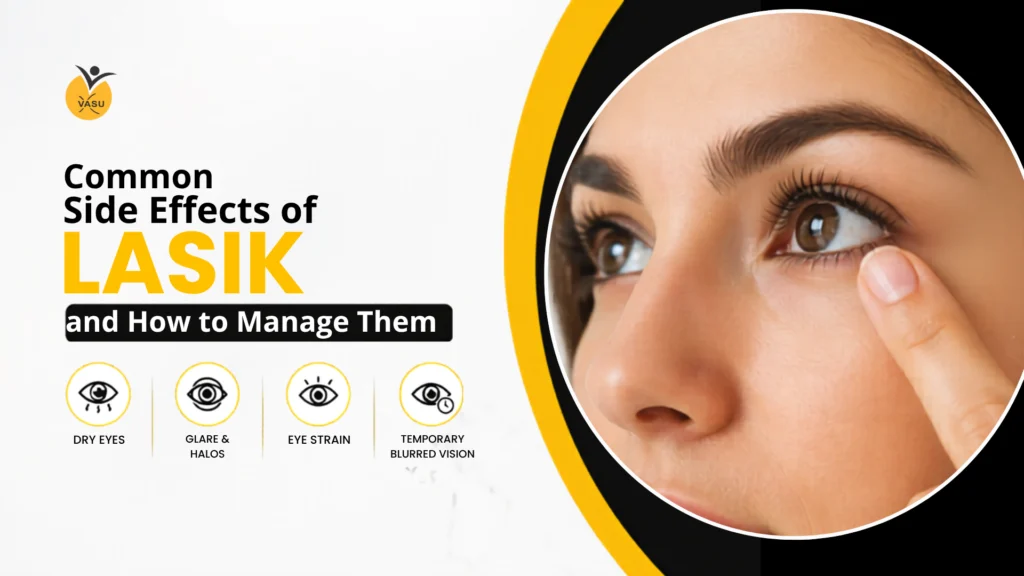
Common Side Effects of LASIK and How to Manage Them

LASIK eye surgery is one of the most advanced and widely performed vision correction procedures designed to reduce or eliminate dependence on glasses or contact lenses. It has become a preferred option for individuals seeking long-term vision correction with minimal downtime. With modern technology and improved surgical techniques, LASIK is considered safe and effective for most eligible candidates.
However, like any medical procedure, LASIK may involve some temporary effects during the healing period. Many individuals considering treatment often ask “are there any side effects of lasik eye surgery” or wonder “are lasik eye surgery safe” before proceeding. Understanding these possible effects and how they are managed helps patients feel more informed, prepared, and confident about recovery.
What is LASIK Eye Surgery?
LASIK (Laser-Assisted In Situ Keratomileusis) is a laser-based vision correction procedure used to treat refractive errors such as myopia (near-sightedness), hyperopia (far-sightedness), and astigmatism. The procedure works by reshaping the cornea so that light entering the eye is properly focused onto the retina.
During the surgery, a thin flap is created on the cornea, and a laser is used to reshape the underlying tissue. The flap is then repositioned, allowing the eye to heal naturally without stitches. The procedure is quick, usually completed within a few minutes per eye, and patients can return home the same day.
Most individuals notice improved vision within 24 hours, making LASIK one of the most convenient and effective options for vision correction.
Are LASIK Side Effects Normal?
Yes, mild and temporary effects are a normal part of the healing process after LASIK surgery. Patients often worry about complications of lasik laser eye surgery, but it is important to understand that most side effects are expected and usually resolve on their own within a few days or weeks.
These temporary effects occur as the cornea heals and adjusts to its new shape. In most cases, they do not affect long-term vision outcomes. Serious complications are rare, especially when the procedure is performed using advanced technology and by experienced eye specialists.
Following proper post-operative care and attending follow-up visits significantly reduces the risk of complications and supports smooth recovery.
Most Common Side Effects of LASIK
1. Dry Eyes After LASIK
Dryness is one of the most frequently reported side effects of lasik eye surgery. Patients may experience irritation, burning sensation, or a feeling of something in the eye. This happens because tear production may temporarily reduce after surgery. In most cases, dryness improves with time and can be managed effectively using lubricating eye drops.
2. Glare, Halos, and Night Vision Issues
Some patients may notice glare or halos around lights, particularly while driving at night. These visual disturbances are usually temporary and gradually reduce as the eyes heal and adapt to the changes.
3. Light Sensitivity
Sensitivity to bright light is common in the early recovery phase. Patients may feel discomfort in sunlight or bright environments. Wearing sunglasses helps manage this symptom and protects the eyes
4. Fluctuating Vision
Vision may not remain completely stable in the initial days after surgery. Patients may notice slight variations in clarity during the healing process. This is normal and typically improves within a few weeks.
5. Eye Irritation or Discomfort
Mild discomfort, watering, or a slight burning sensation may occur after surgery. These symptoms are temporary and usually resolve within a short period with proper care.
How to Manage LASIK Side Effects Effectively
Managing recovery properly plays a key role in reducing side effects from lasik eye surgery and ensuring better visual outcomes.
1. Use Prescribed Eye Drops
Doctors prescribe medicated and lubricating eye drops to prevent dryness and infection. Regular use helps keep the eyes comfortable and promotes faster healing.
2. Avoid Screen Exposure Initially
Excessive screen time can strain the eyes and worsen dryness. Limiting mobile, laptop, and TV use during the first few days helps reduce discomfort.
3. Wear Protective Sunglasses
Sunglasses protect the eyes from dust, wind, and bright light, especially during the early recovery period.
4. Follow Doctor’s Aftercare Instructions
Carefully following post-operative instructions is essential to avoid complications of lasik laser eye surgery. This includes avoiding rubbing the eyes and attending follow-up appointments.
5. Stay Hydrated and Maintain Eye Health
Proper hydration supports tear production and helps reduce dryness. Maintaining overall health also contributes to faster recovery.
When to Consult Your Eye Doctor
Although LASIK is generally safe, patients should be aware of symptoms that may require medical attention.
Consult your doctor if you experience:
- Severe or persistent eye pain
- Sudden decrease in vision
- Increased redness or swelling
- Unusual discharge from the eyes
- Symptoms that do not improve over time
Early medical consultation helps identify and manage any possible complications of lasik laser eye surgery effectively and prevents long-term issues.
Tips for Faster Recovery After LASIK Surgery
- Rest your eyes properly during the first 24 hours
- Avoid rubbing or touching your eyes
- Use all prescribed medications regularly
- Avoid water exposure and swimming initially
- Attend follow-up check-ups as advised
Many patients also ask can lasik eye surgery be done twice. In certain cases, enhancement procedures may be possible, but this depends on individual eye condition and medical evaluation by an eye specialist.
Where to Get the Best LASIK Surgery in Punjab
Choosing the right eye hospital is essential for safe and successful LASIK treatment. A good hospital should offer advanced technology, experienced surgeons, and proper post-operative care.
At Vasu Eye Hospital, Bathinda, LASIK surgery is performed using modern technology and detailed eye evaluation to ensure accurate treatment planning. Patients are carefully assessed to determine whether LASIK is suitable for them, helping answer common concerns such as are lasik eye surgery safe.
The specialists at Vasu Eye Hospital guide patients through every step of the process, including consultation, treatment, and recovery. With experienced ophthalmologists and a strong focus on patient safety, the hospital ensures effective vision correction and proper management of side effects of lasik eye surgery.
FAQs
Dry eyes, light sensitivity, glare, and mild irritation are the most common side effects and are usually temporary.
Most side effects improve within a few days to weeks as the eyes heal.
Serious complications are rare, and LASIK is considered safe when performed by experienced specialists.
Using prescribed eye drops, limiting screen time, and staying hydrated can help reduce dryness.
If you experience pain, vision loss, or persistent discomfort, you should consult your doctor immediately.