
Benefits of LASIK Eye Surgery You Should Know

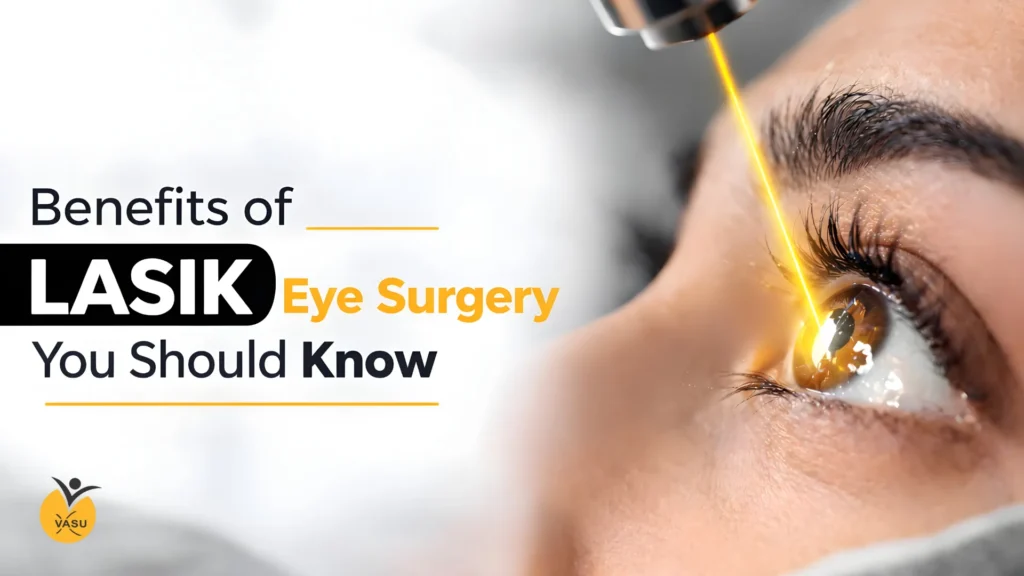
LASIK eye surgery has transformed the way vision problems are treated, offering long-term freedom from glasses and contact lenses. For individuals struggling with blurred vision, frequent lens changes, or dependency on spectacles, LASIK has become one of the most preferred vision correction options. Understanding the benefits of LASIK eye surgery, along with its safety, recovery, and limitations, helps patients make informed decisions about their eye health.
This blog explains the advantages of LASIK eye surgery, compares it with traditional vision correction methods, discusses safety and risks, and answers common patient questions.
What Is LASIK Eye Surgery?
LASIK eye surgery is a laser-based vision correction surgery used to treat refractive errors such as myopia, hyperopia, and astigmatism. During the procedure, a laser reshapes the cornea so that light focuses correctly on the retina, improving clarity of vision.
Modern LASIK eye surgery is quick, precise, and minimally invasive. Because of advancements in laser technology, the procedure has a high success rate and predictable outcomes for eligible patients.
Top Benefits of LASIK Eye Surgery
1. Clear Vision Without Glasses or Contact Lenses
One of the most significant benefits of LASIK eye surgery is clear vision without the need for spectacles or contact lenses. Most patients achieve functional vision within a day, reducing dependence on corrective eyewear for daily activities like driving, reading, and working.
This benefit alone makes LASIK eye surgery highly appealing for people with active lifestyles.
2. Quick and Painless Procedure
A common concern among patients is whether LASIK surgery is painful or not. The procedure itself is painless because numbing eye drops are used. Patients may feel slight pressure for a few seconds, but no sharp pain.
The entire LASIK procedure usually takes less than 15 minutes for both eyes, making it a quick and convenient option for vision correction.
3. Fast Recovery Time
Another key advantage is the short recovery period. Compared to other eye procedures, LASIK offers a fast recovery time, allowing most patients to return to routine activities within 24–48 hours.
This rapid healing is one of the major benefits of laser eye surgery treatment, especially for working professionals who cannot afford long downtime.
4. Long-Term Cost Savings
Although LASIK involves an upfront cost, it often proves economical over time. Repeated expenses on glasses, contact lenses, cleaning solutions, and regular prescription updates can add up over the years.
Considering the long-term financial perspective, the benefits of LASIK eye surgery include reduced lifetime spending on vision correction.
5. High Success Rate and Safety
Patients often ask, “are LASIK eye surgery safe”? When performed after proper evaluation, LASIK is considered highly safe with a strong success record. Advances in technology and strict patient screening contribute to reliable outcomes.
This high safety profile reinforces confidence in LASIK eye surgery as a trusted vision correction solution.
LASIK Eye Surgery: Advantages and Disadvantages
Like any medical procedure, it is important to understand LASIK eye surgery advantages and disadvantages before deciding.
Advantages:
- Permanent correction of refractive errors
- Minimal discomfort
- Short procedure time
- Quick visual recovery
- Improved quality of life
Disadvantages:
- Not suitable for everyone
- Temporary dryness or glare may occur
- Vision changes due to ageing can still happen
Understanding both sides helps patients set realistic expectations from LASIK eye surgery.
LASIK Eye Surgery Benefits and Risks
When discussing LASIK eye surgery benefits and risks, it is important to note that serious complications are rare. Common temporary side effects may include dryness, mild glare at night, or fluctuating vision during early healing.
Most of these resolve with proper aftercare and follow-up. A detailed eye evaluation helps minimise risks and ensures the procedure is appropriate for the patient.
Are LASIK Eye Surgery Safe for Long-Term Vision?
Many patients worry whether LASIK affects eye health in the long run. In reality, are LASIK eye surgery safe is one of the most researched questions in ophthalmology.
LASIK permanently reshapes the cornea but does not weaken the eye when done correctly. Regular eye check-ups remain important, as age-related conditions such as presbyopia may still develop later in life.
LASIK Surgery vs Traditional Vision Correction Methods
Compared to glasses and contact lenses, LASIK offers a permanent solution rather than ongoing management.
Traditional methods:
- Require daily maintenance
- Can cause discomfort or infections
- Need frequent updates
LASIK eye surgery:
- Offers long-lasting vision correction
- Eliminates daily dependence on eyewear
- Improves lifestyle convenience
This comparison highlights the practical benefits of LASIK eye surgery over conventional vision correction methods.
Why Choose LASIK Eye Surgery for Vision Correction?
Patients opt for LASIK not only for visual clarity but also for lifestyle improvement. From sports to travel and professional work, LASIK enhances independence and confidence.
The benefits of laser eye surgery treatment extend beyond eyesight — they improve overall quality of life.
Who Should Consider LASIK Eye Surgery?
LASIK may be suitable for individuals who:
- Are over 18 years of age
- Have stable spectacle power
- Do not have severe dry eye or corneal disorders
- Want a permanent vision correction solution
A comprehensive eye evaluation determines suitability and ensures safe outcomes.
Conclusion
LASIK eye surgery is a proven, safe, and effective option for correcting refractive errors. From quick recovery and long-term cost savings to improved visual freedom, the benefits of LASIK eye surgery are both medical and lifestyle-oriented.
By understanding the advantages and disadvantages of LASIK eye surgery, patients can make confident decisions about their vision correction journey.
FAQs
The main benefits of LASIK eye surgery include clear vision without glasses, quick recovery, minimal discomfort, and long-term cost savings.
Yes. When performed after proper evaluation, LASIK is considered safe with a high success rate.
The actual procedure takes around 10–15 minutes for both eyes.
Most patients notice clear vision within 24 hours, with gradual improvement over a few weeks.
Temporary dryness, glare, or mild visual fluctuations may occur, but serious complications are uncommon.