
If you are seeing black spots, cobwebs, floaters, flashes of light, or sudden shadows in your vision, don’t ignore them.
These symptoms are often related to vitreous disorders — problems involving the gel-like substance inside the eye that directly affects the retina.
At Vasu Eye Hospital, Bathinda, we provide expert-led vitreoretina care to diagnose and treat vitreous and retina-related conditions early, before they cause permanent vision damage.
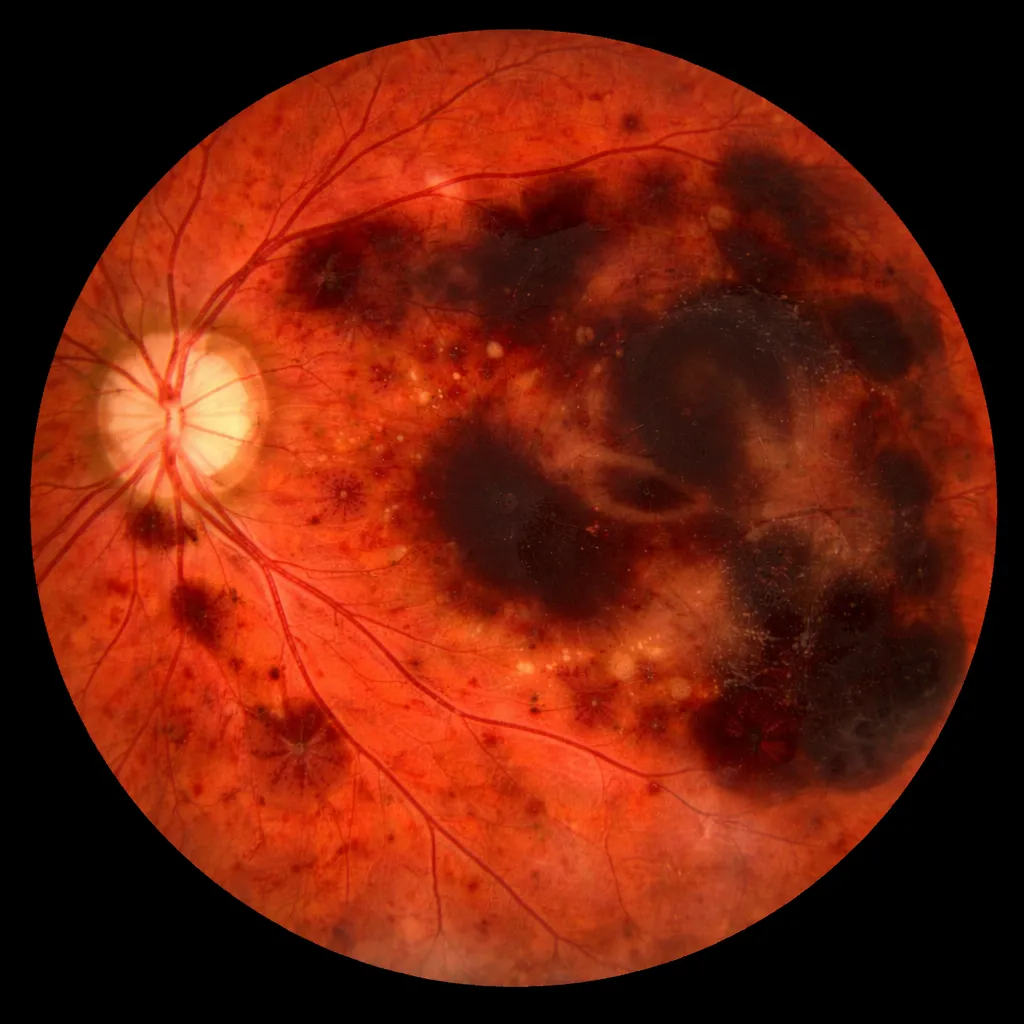
The vitreous is a clear, gel-like substance that fills the inside of the eye and supports the retina.
Over time, or due to medical conditions, the vitreous can:
Because the vitreous is closely attached to the retina, vitreous disorders are often linked with serious retina problems.
This is why people search for:
retina specialist, retina treatment, retina care, and retina damage treatment when these symptoms appear.
Vitreous problems often present suddenly and should never be ignored.
Common symptoms include:
If you experience any of these symptoms, consult a retina specialist doctor at Vasu Eye Hospital immediately.

You may be at higher risk of vitreous problems if you:
Vitreous changes may be harmless in early stages, but in some cases they signal serious retina damage.
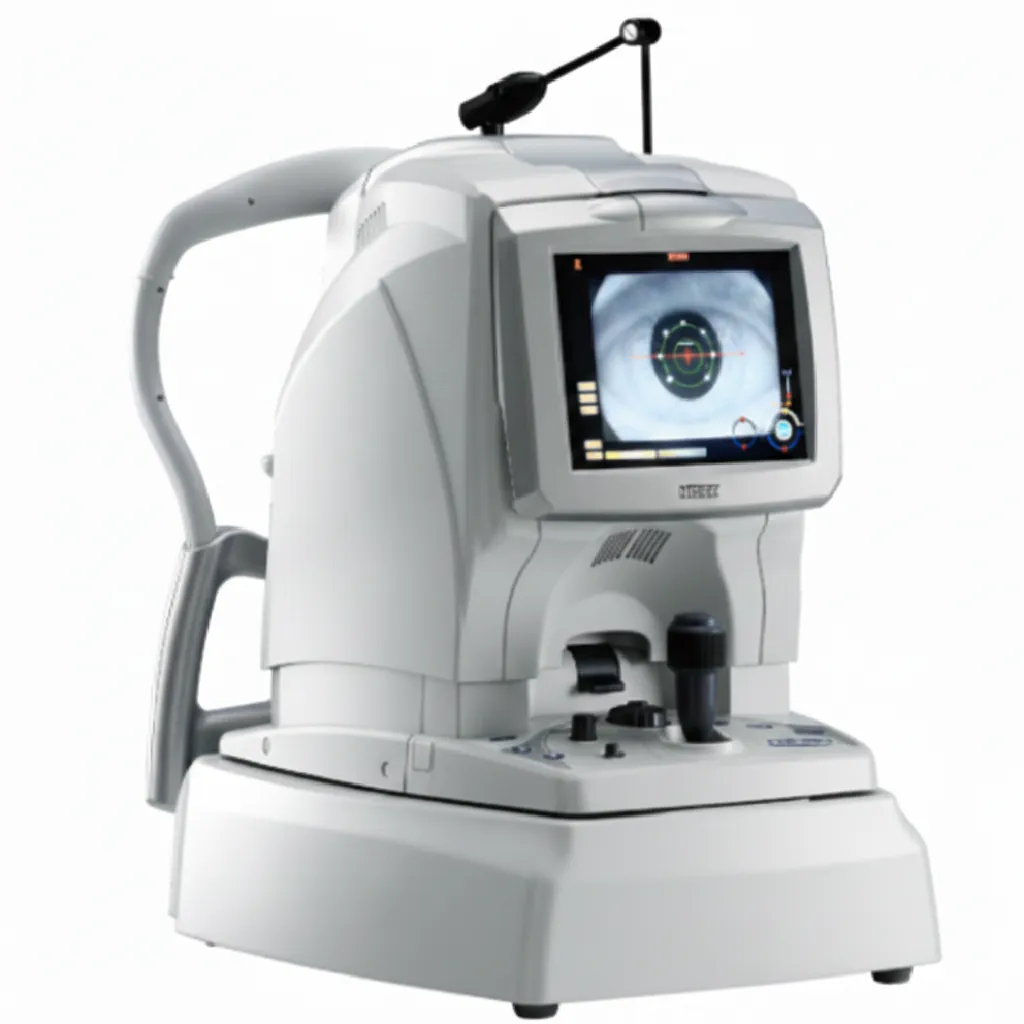
1) Dilated retina examination
2) Fundus evaluation
3) OCT scan (to assess retina involvement
4) Digital retina imaging
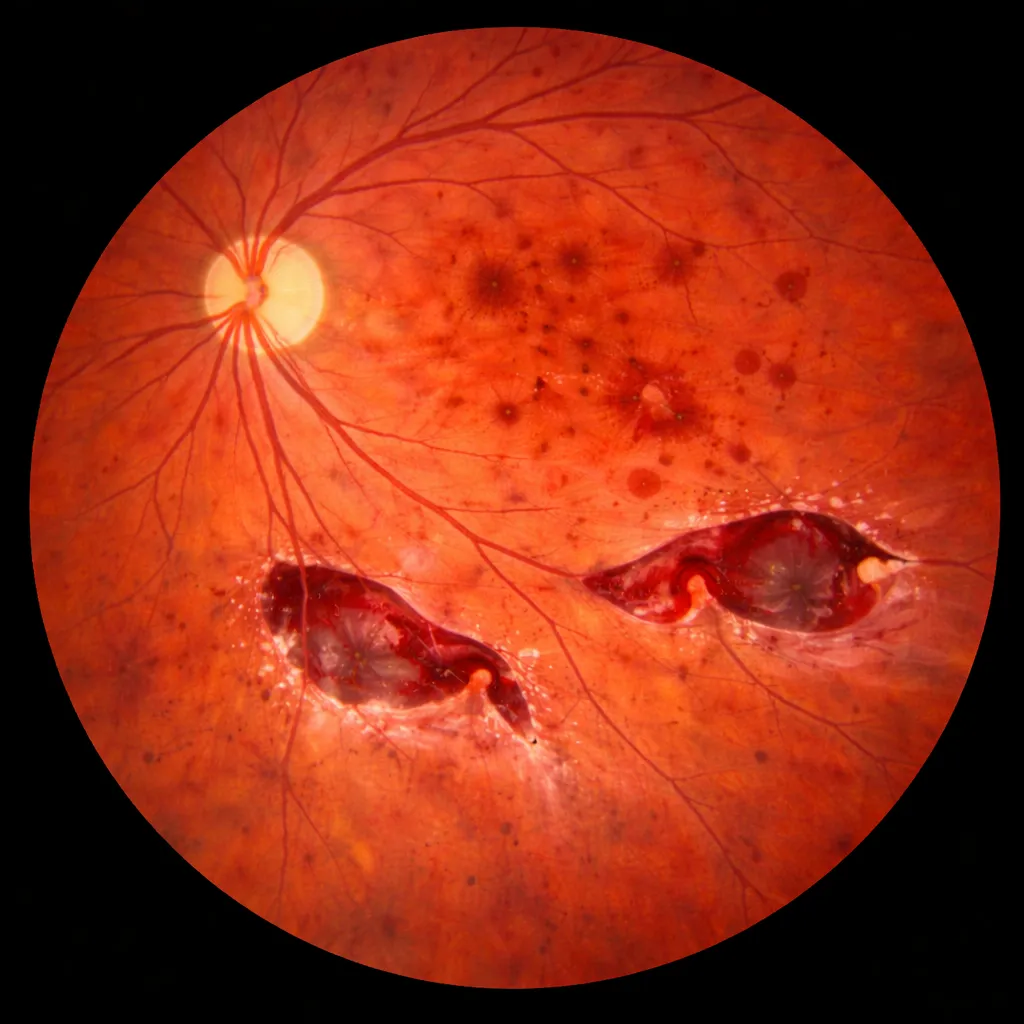
1) Vitreous hemorrhage (bleeding)
2) Vitreoretinal traction
3) Retinal tears or detachment
4) Underlying diabetic or macular disease
In many cases, mild floaters are harmless and may only need monitoring.
However, sudden or increasing floaters require retina evaluation to rule out retinal tears or bleeding.
Observation is recommended only after a retina specialist confirms it is safe.
Vitreous hemorrhage occurs when blood leaks into the vitreous cavity, often due to:
Treatment may include:
This condition is commonly searched as:
retina bleeding treatment, vitreous haemorrhage treatment, and retina damage treatment.
When the vitreous pulls strongly on the retina, it can lead to:
Early diagnosis allows preventive retina laser treatment to protect vision.
Patients often search for:
retinal tear treatment with laser, retina laser treatment, and retina treatment by laser.
Managing vitreous disorders requires precise retina evaluation, not guesswork.
At Vasu Eye Hospital, Bathinda, vitreoretina care is supported by:
Our approach focuses on early detection, timely treatment, and vision preservation.

1) vitreous haemorrhage treatment cost
2) retina treatment cost
3) retina laser treatment cost
4) retina specialist consultation fees
5) retina check up cost

1) Underlying cause of the vitreous disorder
2) Severity and retina involvement
3) Diagnostic tests required
4) Laser or injection treatment needs
5) Follow-up and monitoring
A detailed retina evaluation at Vasu Eye Hospital helps determine the most appropriate treatment plan and cost.
Patients trust Vasu Eye Hospital, Bathinda because:

The most common vitreous disorder is vitreous degeneration, where the gel inside the eye becomes thinner and starts to shrink with age. This often leads to floaters and flashes. At Vasu Eye Hospital, vitreous degeneration is carefully evaluated to rule out any associated retinal damage.
Common symptoms of vitreous problems include:
If these symptoms appear suddenly, immediate evaluation at Vasu Eye Hospital is recommended.
Vitreoretinal disorders are conditions that involve both the vitreous gel and the retina. Because the vitreous is attached to the retina, changes in the vitreous can pull on or damage the retina. Vasu Eye Hospital provides comprehensive vitreoretina care for such conditions.
Mild vitreous degeneration may only require observation. However, if it causes retinal traction, bleeding, or vision problems, treatment may include retina laser therapy, injections, or further intervention. Treatment decisions at Vasu Eye Hospital are based on detailed retina evaluation.
Vitreous degeneration commonly starts after the age of 40–50 years, but it may occur earlier in people with diabetes, high myopia, or previous eye surgery. Regular eye check-ups at Vasu Eye Hospital help detect changes early.
Vitreous degeneration is treated by a retina or vitreoretina specialist. These specialists are trained to manage conditions involving both the vitreous and the retina. Such care is available at Vasu Eye Hospital.
Follow-up depends on severity. Your retina specialist at Vasu Eye Hospital will guide you.
Early signs of retina damage may include:
Since early damage can be silent, regular retina screening at Vasu Eye Hospital is important.
The cost of vitreous surgery depends on the condition, severity, tests required, and type of procedure. A proper evaluation at Vasu Eye Hospital helps determine whether surgery is needed and what the expected cost may be.
Vitreous surgery is usually performed under anesthesia and is not painful during the procedure. Post-surgery discomfort is generally mild and manageable. Your retina specialist at Vasu Eye Hospital will guide you through the process.
No eye surgery is 100% risk-free. However, with proper evaluation, modern techniques, and specialist care, vitreous and retina surgeries at Vasu Eye Hospital are performed with high safety standards.
Recovery time varies depending on the condition and procedure. Many patients notice gradual improvement over weeks, while full recovery may take longer. Follow-up care at Vasu Eye Hospital plays a key role in recovery.
If you are experiencing floaters, flashes, or sudden vision changes, do not delay.
Visit Vasu Eye Hospital, Bathinda for expert diagnosis and treatment of vitreous disorders.
Early action protects the retina and saves vision.

Bhatti Rd, near Beri Wala Baba, Ganesh Nagar, Bathinda, Punjab 151001
Eye Care Timing: 9 AM to 3 PM
Skin Care Timing: 11 AM to 3 PM
+91 95014 43977
Vasu Eye Institute & Skin Centre
Typically replies within minutes
Any questions related to your eyes?
WhatsApp Us
🟢 Online | Privacy policy
WhatsApp us