

Diabetes duration
Retinal changes can become more likely the longer a person has diabetes.
If you have diabetes, this page is for you.
Because diabetic retinopathy is one of the most common reasons people lose vision silently without pain, without early warning, and often without realising anything is wrong until damage is advanced.
At Vasu Eye Hospital, Bathinda, our retina specialist team provides complete retina care for diabetic patients from screening and diagnosis to retina treatment by laser, injections, and long-term monitoring.
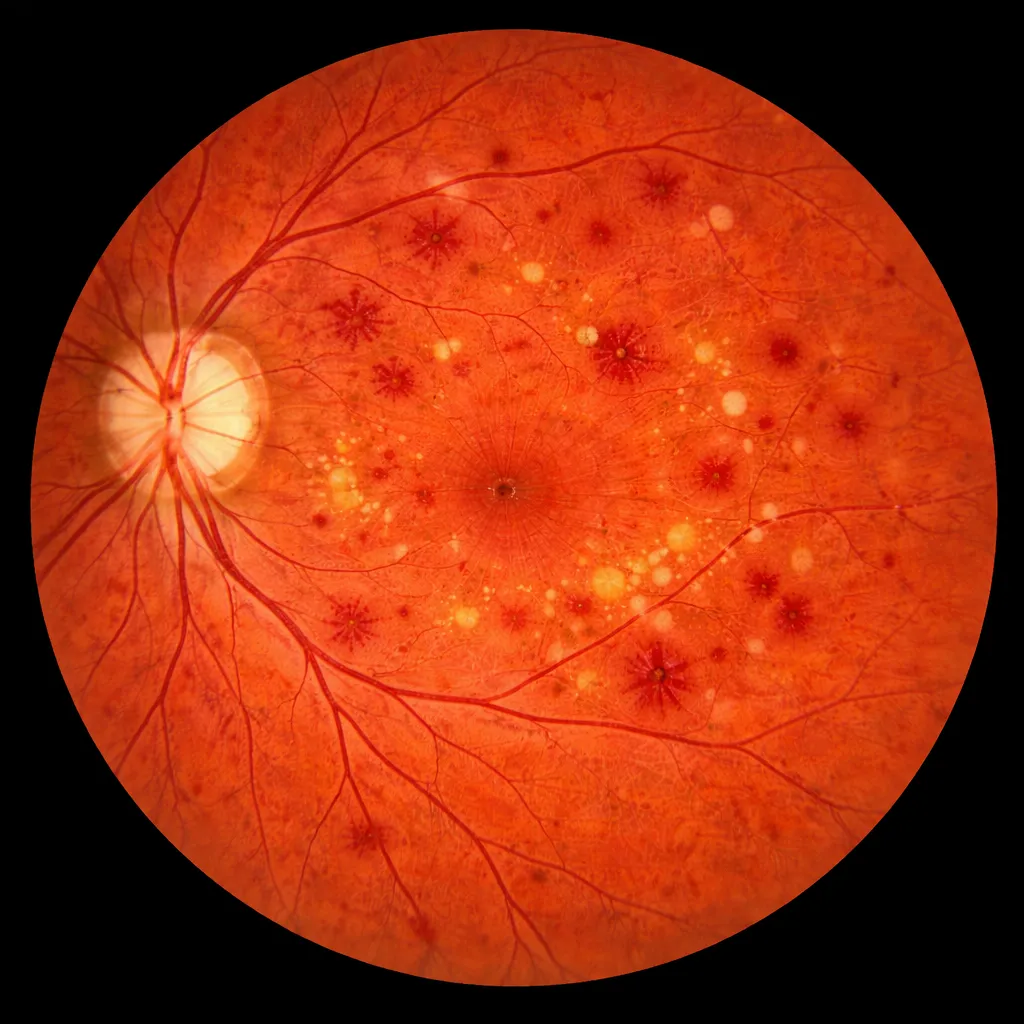
Diabetic retinopathy is a retina condition where high blood sugar damages the tiny blood vessels inside the retina. These vessels may leak, swell, or bleed, and over time can cause permanent vision loss if not treated early.
This is why people often search for:
retina specialist, retina diabetes treatment, retina treatment, and retina care because timely care saves sight.
Over time, high blood sugar can damage the tiny blood vessels in the retina. The risk may also be affected by how long a person has had diabetes, blood pressure, cholesterol, kidney disease and smoking.
Retinal changes can become more likely the longer a person has diabetes.
Blood pressure, cholesterol and kidney health may also affect eye health.
Pregnancy can change the eye-check schedule for someone with diabetes.
If you are pregnant or planning a pregnancy, tell your eye specialist so they can advise you about eye checks.
The stage depends on what the eye specialist sees during the retinal examination and scans. The plan and follow-up schedule can differ from person to person.
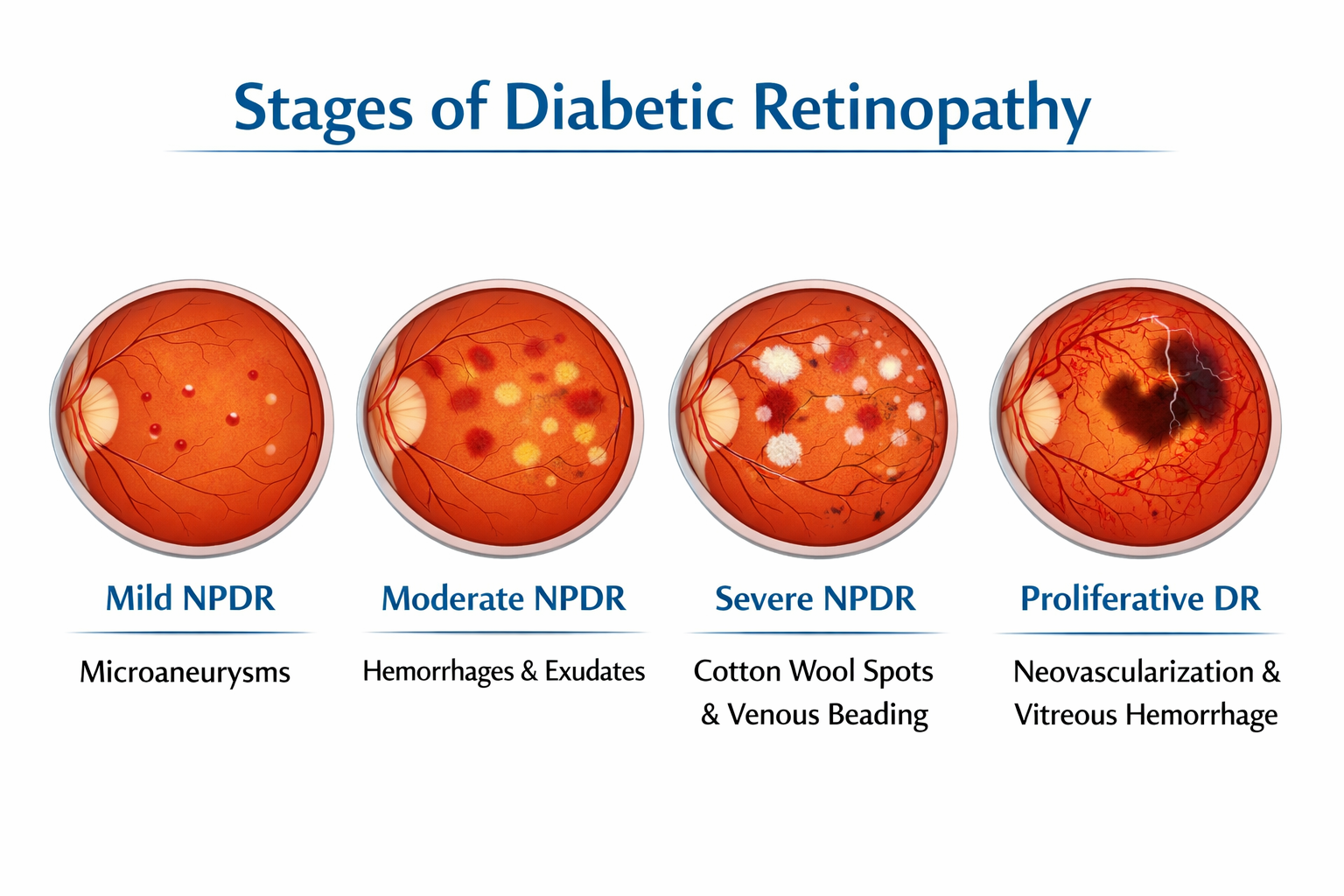
A few small leaks may be visible in the retinal blood vessels. Your specialist may advise monitoring and a follow-up schedule.
More vessel changes or blocked areas may be present. Closer review may be needed, and treatment may be discussed if appropriate.
Larger areas of the retina may have reduced blood supply. Your specialist may recommend close follow-up and discuss laser treatment.
Fragile new blood vessels may grow and bleed. Injections, laser or sometimes surgery may be considered after assessment.
This is a general guide, not a way to diagnose yourself. Your eye specialist will explain your findings and recommend the next step.
Diabetic eye changes may not cause symptoms at first. If you notice a new or worsening change in your vision, contact an eye-care professional.
A sudden loss or major change in vision needs urgent same-day eye assessment.
Your eye specialist will recommend tests based on your examination and eye-health history. Tests may include:
Eye drops widen the pupil so the specialist can examine the retina.
Images help document visible retinal changes and compare them at follow-up visits.
This scan creates cross-sectional images that help assess the retina and macula.
This test may be advised when the specialist needs more information about retinal blood flow.
Not everyone needs every test. Your specialist will explain which examination or scan is appropriate for you.
Treatment depends on the retinal changes found during your examination and scans. Some people need monitoring; others may be advised injections, laser or surgery.
These may be used for swelling at the macula or certain abnormal blood vessels. The number and timing of injections depend on your examination and response.
Laser may be recommended for selected retinal changes. Your specialist will explain its purpose and what follow-up you may need.
This operation may be considered for problems such as blood inside the eye that does not clear or scar tissue affecting the retina.
If a cataract affects vision or makes it difficult to examine the retina, the surgeon may discuss cataract surgery as part of your care plan.
The retina specialist will explain which option, if any, is suitable for your eye.
Read about Diabetic Retinopathy SurgeryDiabetic eye changes may not cause symptoms at first. Keep regular eye appointments and follow the schedule advised by your eye specialist.
Arrange a retinal check when diabetes is diagnosed, then usually at least once a year.
Screening may begin about five years after diagnosis, followed by regular yearly checks.
Tell your eye specialist if you are pregnant or planning pregnancy. They will advise the timing of checks during pregnancy.
Your specialist may recommend closer follow-up, sometimes every three to six months.
Your doctor may recommend a different schedule based on your retinal examination, scan results and medical history.
The cost depends on the examination and treatment recommended. Check-up and scans, injections, laser sessions and surgery may be priced separately. Ask the clinic for a current written estimate before treatment.
Many patients have no symptoms in early stages. But if symptoms appear, they may include:
If you’re noticing any of these signs, don’t delay. Retina damage treatment works best when started early.
You are at higher risk of retina damage if you have:
Even if your sugar is controlled, retina damage can still progress — which is why regular retina screening matters.
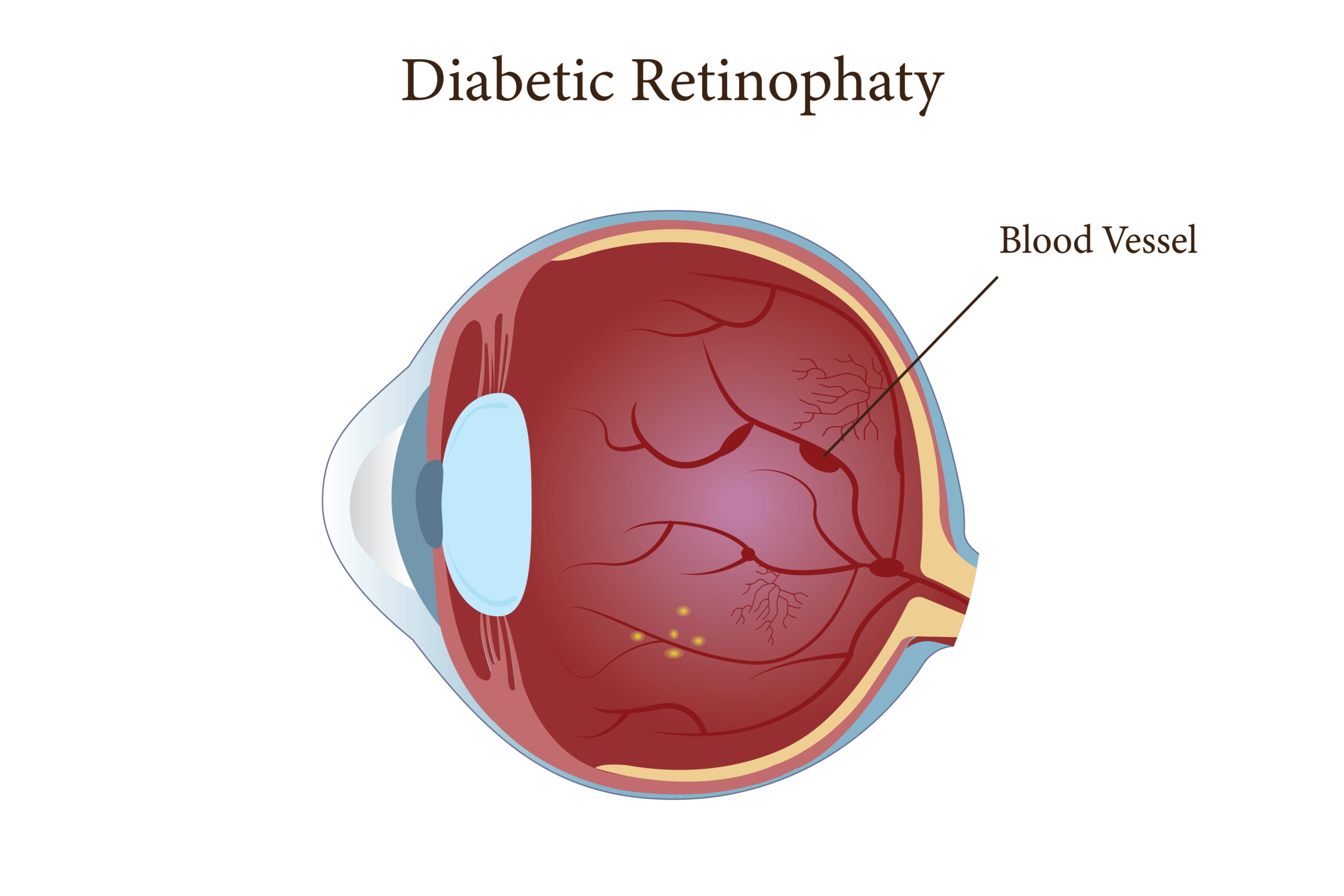
At Vasu Eye Hospital, we don’t guess. We measure, scan, and track.
Your diabetic retina check may include:
This helps us identify:
Diabetic retinopathy develops when diabetes affects the small blood vessels in the retina. Early changes may not cause noticeable symptoms, so a person can have retinal disease while still seeing clearly. An eye examination is needed to identify and grade these changes.
NPDR is described as mild, moderate or severe according to the retinal findings. Small vessel changes, tiny areas of bleeding or reduced blood flow may be seen. The recommended follow-up depends on the stage and individual risk factors.
In PDR, abnormal new blood vessels can grow on the retina or optic nerve. These vessels may bleed into the vitreous or contribute to scar tissue and traction on the retina. A retina specialist should assess suspected PDR promptly.
A dilated retinal examination is used to look for diabetic retinal changes. Retinal photographs may help document findings. Optical coherence tomography (OCT) creates cross-sectional images of the retina and is commonly used when macular swelling is suspected or needs monitoring.
Fluorescein angiography (FFA) uses injected dye and retinal photographs to show blood flow and leakage. It is not required for every patient; a specialist may recommend it when more detail about retinal circulation is needed, including in selected cases of more advanced disease or DME.
Treatment is based on the retinal examination, stage of disease, presence and location of DME, vision, other health factors and follow-up needs. The table gives general examples only; it is not a treatment recommendation for an individual.
| Finding | What the care plan may include |
|---|---|
| No or early retinopathy, without DME | Scheduled eye examinations and monitoring. The clinician may also discuss blood sugar, blood pressure and cholesterol management with the patient’s diabetes-care team. |
| Moderate or severe NPDR | Closer retinal follow-up. A retina specialist decides whether monitoring or treatment is appropriate based on the individual findings and risk of progression. |
| PDR | Treatment may include panretinal laser, intravitreal anti-VEGF injections, or another approach selected by the specialist. Keeping scheduled follow-up is important. |
| DME affecting the macula | OCT-guided monitoring and, when indicated, intravitreal injections or other treatments such as laser or steroid therapy may be considered by the retina specialist. |
| Vitreous bleeding or tractional complications | The specialist assesses the cause and severity. Vitrectomy may be considered in selected advanced cases. |
Do not wait for blurred vision before arranging diabetic eye screening. Many people with diabetes need a dilated eye examination at least once a year, while people with retinopathy or DME may need more frequent reviews. Your eye specialist should set the interval for your individual findings.
If you have pre-existing type 1 or type 2 diabetes and are planning a pregnancy or are pregnant, tell your diabetes-care team and eye specialist early. Retinopathy may need closer monitoring during this period. Do not change diabetes medicines without advice from your treating doctor.
This information is general education and does not replace an eye examination or advice from your clinician.
The best retina treatment depends on stage and whether swelling/bleeding is present. At Vasu Eye Hospital, treatment is personalised — because every retina behaves differently.
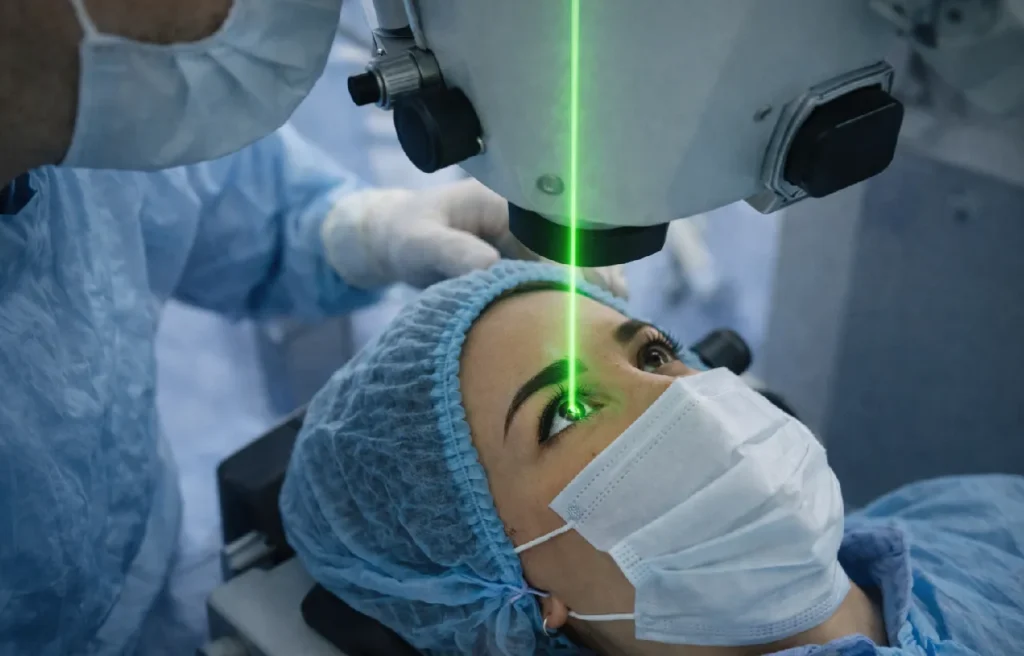
Laser is commonly used to stop disease progression and protect vision.
Retina treatment by laser helps to:
This is often searched as:
retina treatment by laser, retina treatment by laser cost, and retina damage treatment.
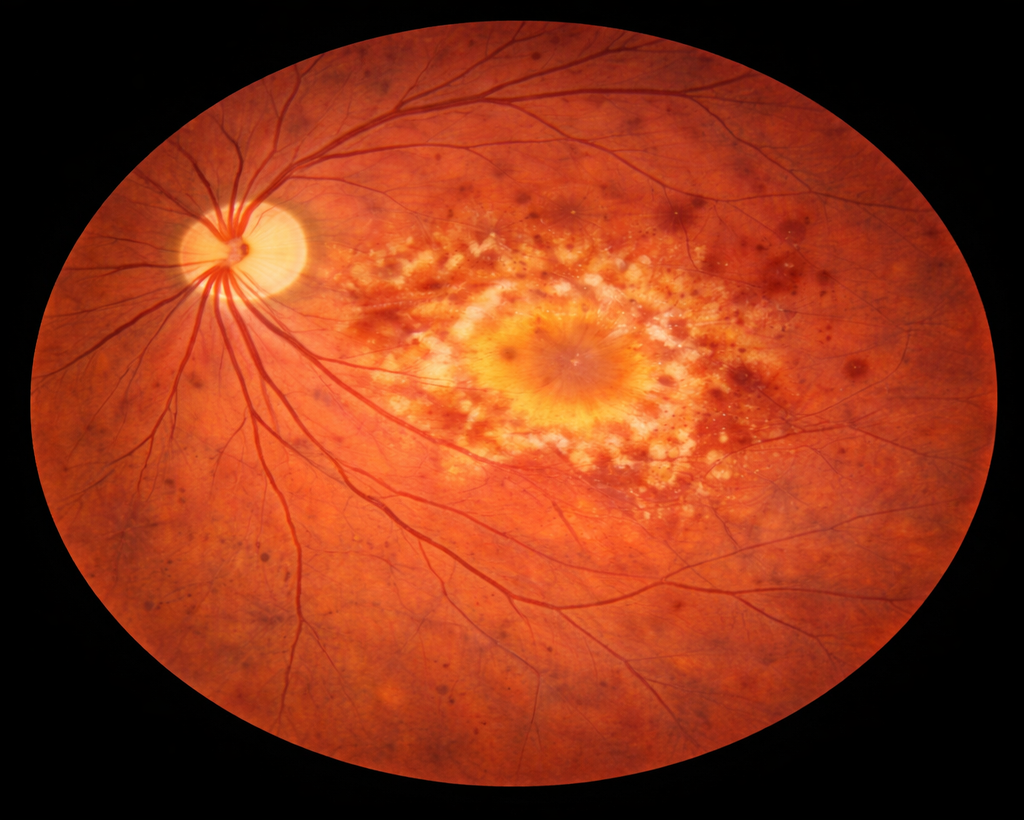
If swelling affects the macula (central vision area), treatment may include:
If you’ve searched retina swelling treatment or retinal swelling treatment at home:
Home remedies cannot treat internal retinal swelling. The safest step is evaluation and evidence-based care at Vasu Eye Hospital.

These injections help reduce swelling and control leakage/bleeding.
Patients often worry about “eye injections,” but when done in sterile conditions by a retina specialist, they are safe and widely used.

If diabetic retinopathy is very advanced (bleeding, traction, risk of detachment), management may need staged planning and referral-level care. The key is: early detection prevents reaching this stage.
Retina care is not just “checking the eye.” It’s precision work.
At Vasu Eye Hospital, Bathinda, retina services are supported by:
Our goal is simple: protect sight before it is lost.
Many patients ask about:
The cost depends on:
The safest way is a retina evaluation first — then we recommend a clear treatment plan.
People choose Vasu Eye Hospital for retina care because:

Retina care at Vasu Eye Institute includes Dr. Gourav Mangla (MBBS, MS, DNB, FVR), trained in vitreoretinal surgery.
If you are diabetic even if your vision feels normal get your retina checked.
Early detection saves vision. Delay can cost eyesight.
Visit Vasu Eye Hospital, Bathinda for retina screening and diabetic retinopathy treatment.
Call or WhatsApp Vasu Eye Institute to ask about a diabetic retina examination. Bring your previous eye reports and current medicines list.

Bhatti Rd, near Beri Wala Baba, Ganesh Nagar, Bathinda, Punjab 151001
Eye Care Timing: 9 AM to 5 PM
Skin Care Timing: 10 AM to 3 PM
+91 95014 43977
Vasu Eye Institute & Skin Centre
Typically replies within minutes
Any questions related to your eyes?
WhatsApp Us
🟢 Online | Privacy policy
WhatsApp us