How Diabetes Affects the Retina (And How to Prevent Vision Loss)

- Why Diabetes Is Dangerous for the Eyes
- What Is Diabetic Retinopathy?
- What Are the Common Causes of Retina Problems?
- Early Signs of Diabetic Retina Damage (Often Ignored)
- Who Is at Higher Risk of Diabetic Retina Damage?
- How Diabetes Affects the Retina Step by Step
- How Retina Screening Helps Diabetic Patients
- Treatment Options for Diabetic Retina Damage
- Can Diabetic Retina Damage Be Reversed?
- What Happens If Diabetic Retinopathy Is Ignored?
- How to Protect Your Retina If You Have Diabetes
- Why Choose Vasu Eye Hospital for Diabetic Retina Care?
- Book a Retina Screening Appointment
- FAQs
Diabetes does not damage eyesight overnight.
It works quietly, slowly, and silently — often without pain, redness, or early warning signs.
Many people with diabetes believe:
“My vision is fine, so my eyes must be healthy.”
Unfortunately, when it comes to the retina, that assumption can be dangerous.
At Vasu Eye Hospital, Bathinda, retina specialists frequently see diabetic patients who feel fine visually — yet already have retina damage that could have been prevented with early screening.
This article explains how diabetes affects the retina, what warning signs to watch for, and how timely retina care can help prevent permanent vision loss.
Why Diabetes Is Dangerous for the Eyes
The retina contains tiny, delicate blood vessels that supply oxygen and nutrients needed for vision.
When blood sugar levels remain high:
- These blood vessels weaken
- They start leaking or bleeding
- Abnormal new vessels may grow
- Retina swelling can occur
This condition is known as diabetic retinopathy, and it is one of the leading causes of preventable blindness worldwide.
What Is Diabetic Retinopathy?
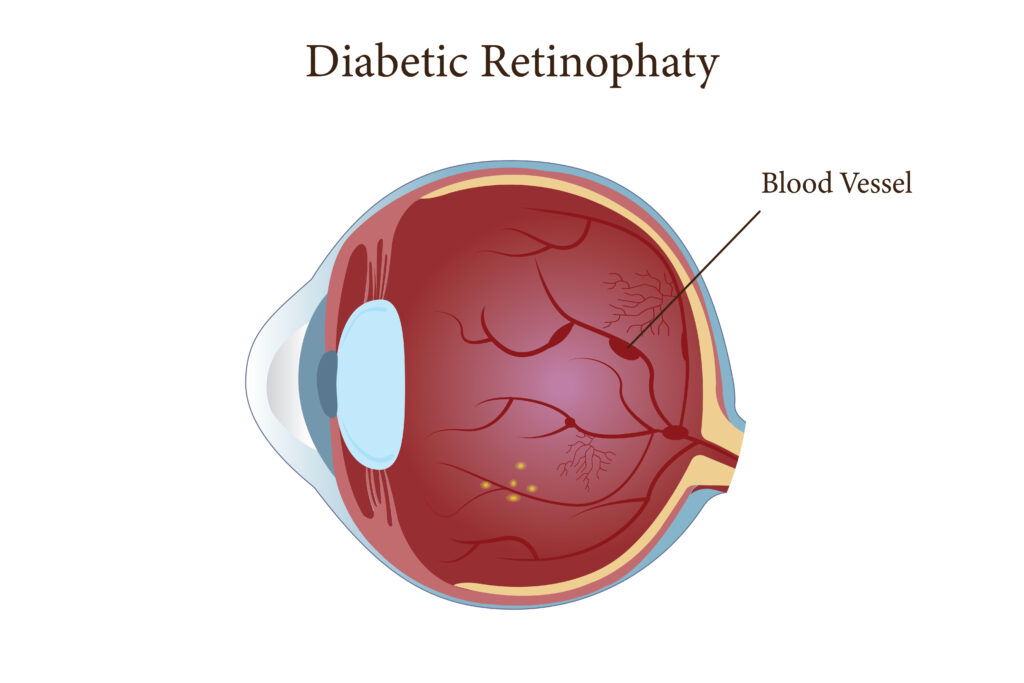
Diabetic retinopathy is a retina condition caused by long-term diabetes that damages the blood vessels inside the retina.
It usually progresses in stages:
- Early stages may show no symptoms
- Advanced stages can lead to severe vision loss or blindness
This is why people often search for:
retina diabetes treatment, retina specialist, and retina screening — after damage has already started.
Early Signs of Diabetic Retina Damage (Often Ignored)
In its early phase, diabetic retinopathy may cause no noticeable symptoms at all.
As the disease progresses, symptoms may include:
- Blurred or fluctuating vision
- Difficulty reading
- Dark spots or floaters
- Distorted vision
- Poor night vision
- Sudden vision loss (in advanced cases)
Waiting for symptoms is risky. Retina damage often starts before vision changes appear.
Who Is at Higher Risk of Diabetic Retina Damage?
- You are at higher risk if you:
- Have diabetes for more than 5–10 years
- Have poor blood sugar control
- Have high blood pressure or cholesterol
- Are pregnant with diabetes
- Miss regular eye check-ups
Even patients with “controlled sugar” can develop retina problems — which is why routine retina screening is essential.
How Diabetes Affects the Retina Step by Step
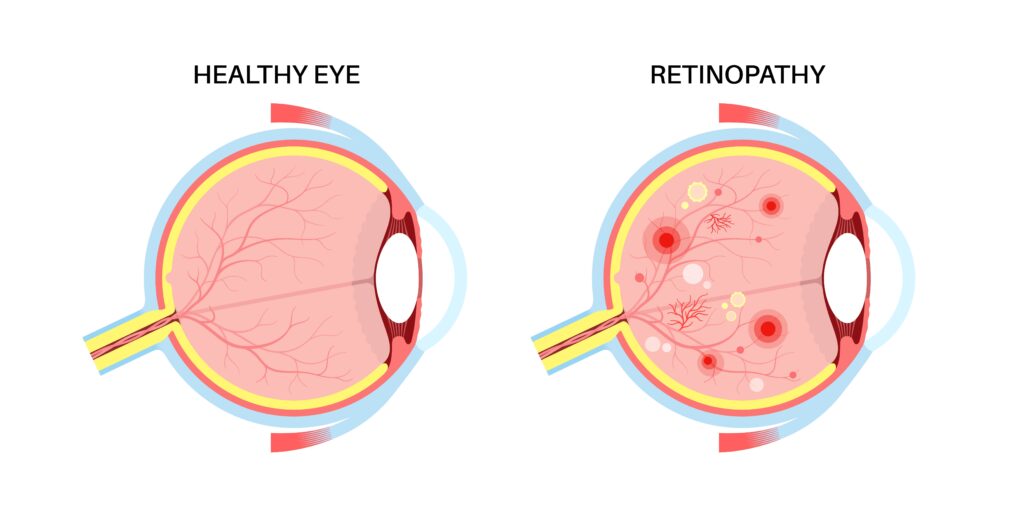
1. Weakening of Blood Vessels
High sugar damages vessel walls, causing leakage and swelling.
2. Retina Swelling (Macular Edema)
Fluid leaks into the retina, affecting central vision.
3. Abnormal Vessel Growth
The retina tries to compensate by forming weak new vessels that bleed easily.
4. Advanced Retina Damage
Bleeding, scarring, retinal detachment, and sudden vision loss can occur.
Early treatment can stop this progression.
How Retina Screening Helps Diabetic Patients
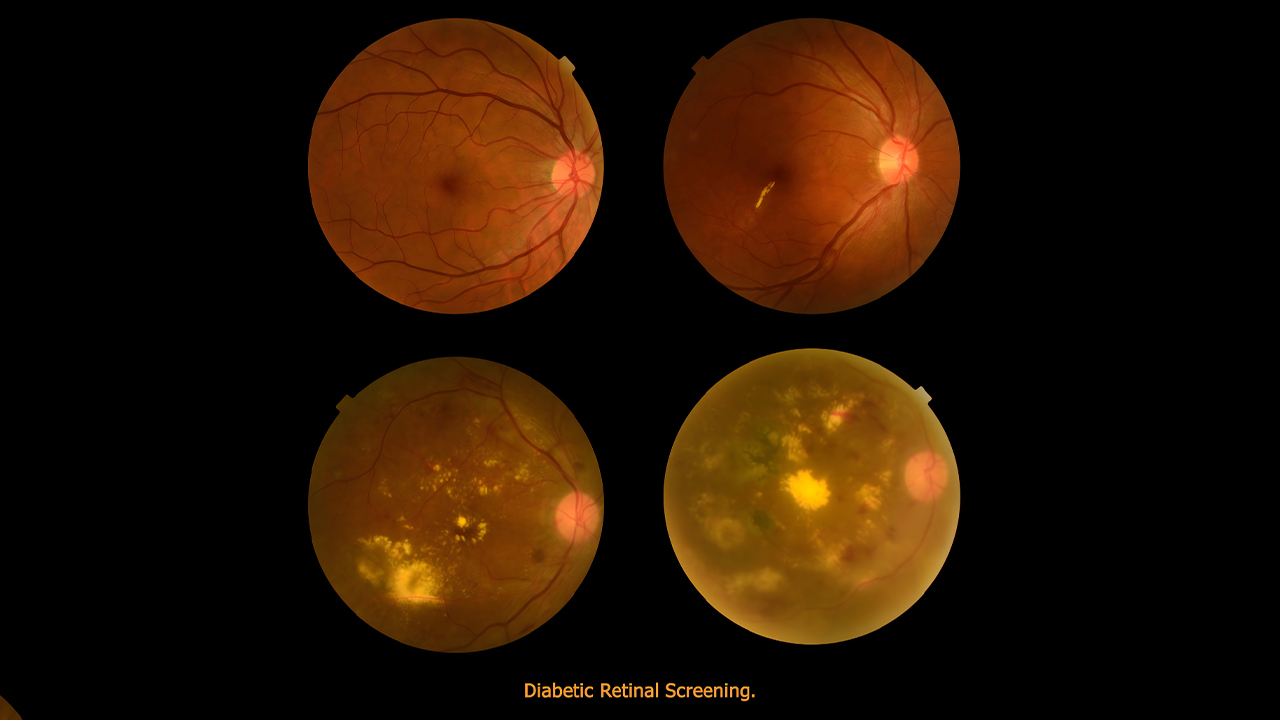
At Vasu Eye Hospital, retina screening allows doctors to:
- Detect damage before vision loss
- Identify retina swelling early
- Decide if laser or injections are required
- Monitor disease progression accurately
Screening may include:
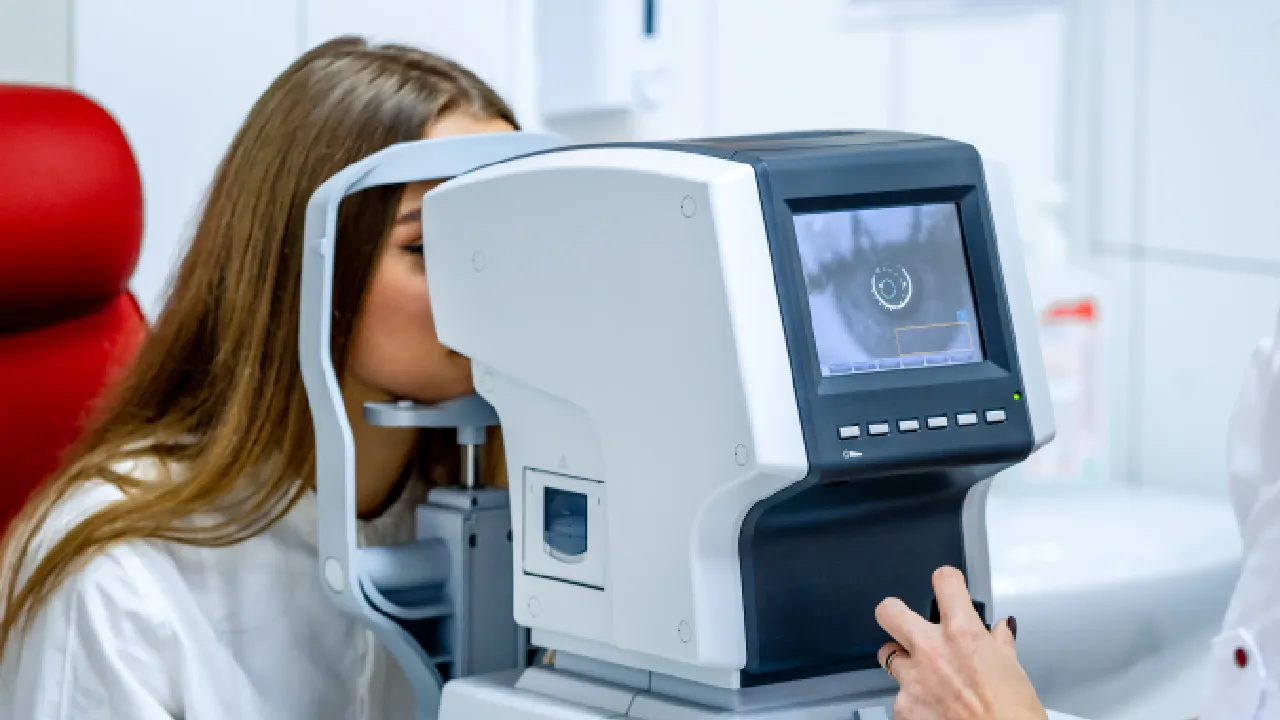
- Dilated retina examination
- OCT scan (to detect swelling)
- Digital retina imaging
Annual retina screening is recommended for all diabetic patients — even if vision feels normal.
Treatment Options for Diabetic Retina Damage
Treatment depends on the stage of disease, not just symptoms.
1. Retina Laser Treatment

Used to:
- Stop abnormal vessel growth
- Reduce bleeding risk
- Prevent further damage
Commonly searched as:
retina treatment by laser, retina laser treatment cost, diabetic retinopathy laser treatment
2. Intravitreal Injections (Eye Injections)

Used to:
- Reduce retina swelling
- Protect central vision
- Control leakage
These injections are safe, effective, and widely used worldwide.
3. Monitoring & Follow-Up
Early stages may only require close observation with regular scans.
The key is not delaying treatment when advised.
Can Diabetic Retina Damage Be Reversed?
This is one of the most asked questions.
- Early diabetic retina damage can often be controlled and stabilized.
- Advanced damage cannot always be reversed, but progression can often be slowed.
That’s why early detection matters more than any treatment.
What Happens If Diabetic Retinopathy Is Ignored?
Ignoring diabetic retina problems can lead to:
- Permanent vision loss
- Retinal detachment
- Severe bleeding inside the eye
- Loss of independence and quality of life
Most of these outcomes are preventable with timely retina care.
How Often Should Diabetic Patients Get Retina Check-Ups?
- Newly diagnosed diabetes → Baseline retina screening
- Stable diabetes → At least once every year
- Existing retina damage → As advised by retina specialist
At Vasu Eye Hospital, screening frequency is personalized based on risk.
How to Protect Your Retina If You Have Diabetes
You can reduce risk by:
- Keeping blood sugar under control
- Managing blood pressure and cholesterol
- Avoiding smoking
- Getting regular retina screenings
- Seeking early treatment when advised
Medical care + lifestyle control together protect vision.
Why Choose Vasu Eye Hospital for Diabetic Retina Care?
Patients trust Vasu Eye Hospital, Bathinda because:
- Experienced retina specialist doctors
- Advanced retina screening & diagnostics
- Laser and injection treatment under one roof
- Ethical, stage-based treatment planning
- Strong focus on prevention and follow-up
Book a Retina Screening Appointment
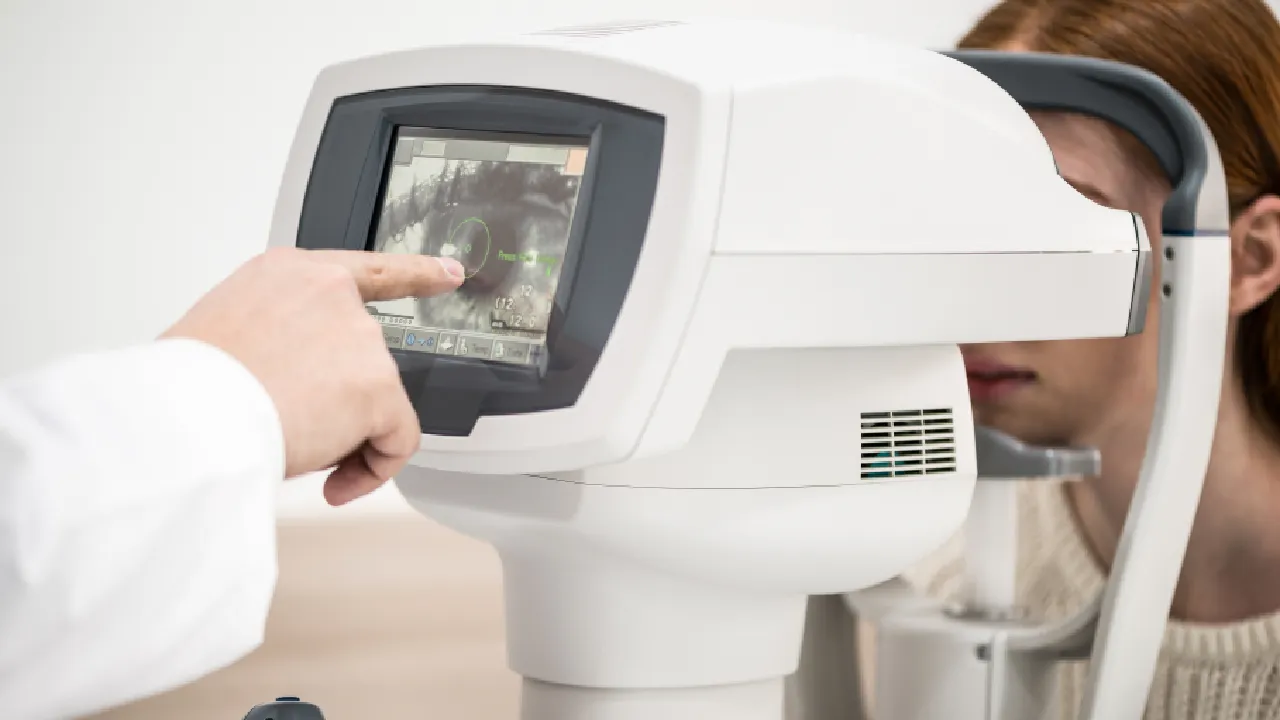
If you have diabetes — even if your vision feels normal — don’t wait for symptoms.
Visit Vasu Eye Hospital, Bathinda for expert diabetic retina screening and care.
Diabetes may be lifelong, but vision loss doesn’t have to be.
FAQs
Often there are no early signs. Later symptoms include blurry vision, floaters, and dark spots.
Yes, if untreated. Early diagnosis and treatment can prevent vision loss.
No. Retina screening is painless and non-invasive.
Good control reduces risk but does not eliminate it. Regular screening is still essential.
Yes. It is a proven and safe method when performed by a retina specialist.