
Early Signs of Retina Damage You Should Never Ignore

- Why Retina Damage Is Often Silent
- Who Is at Higher Risk of Retina Damage?
- What Are the Common Causes of Retina Problems?
- Can Retina Damage Be Reversed?
- How Do Doctors Check the Retina?
- How to Check for Retinal Damage at Home (Limitations)
- Is Blurry Vision Always a Retina Problem?
- Can You Still See With a Damaged Retina?
- How Do You Know If Your Retina Is Torn?
- How Can I Strengthen My Retina Naturally?
- Does Retina Damage Happen Immediately?
- How to Avoid Retina Damage
- When Should You See a Retina Specialist?
- Why Early Retina Screening Matters
- Book a Retina Evaluation at Vasu Eye Hospital
Most people believe that eye problems always start with pain or obvious vision loss.
The truth is, retina damage often begins silently.
By the time many patients realise something is wrong, the damage may already be advanced and difficult to reverse. This is why understanding the early signs of retina damage can make the difference between saving vision and permanent vision loss.
At Vasu Eye Hospital, Bathinda, retina specialists regularly see patients who wish they had come earlier — simply because the early warning signs were ignored or misunderstood.
Why Retina Damage Is Often Silent
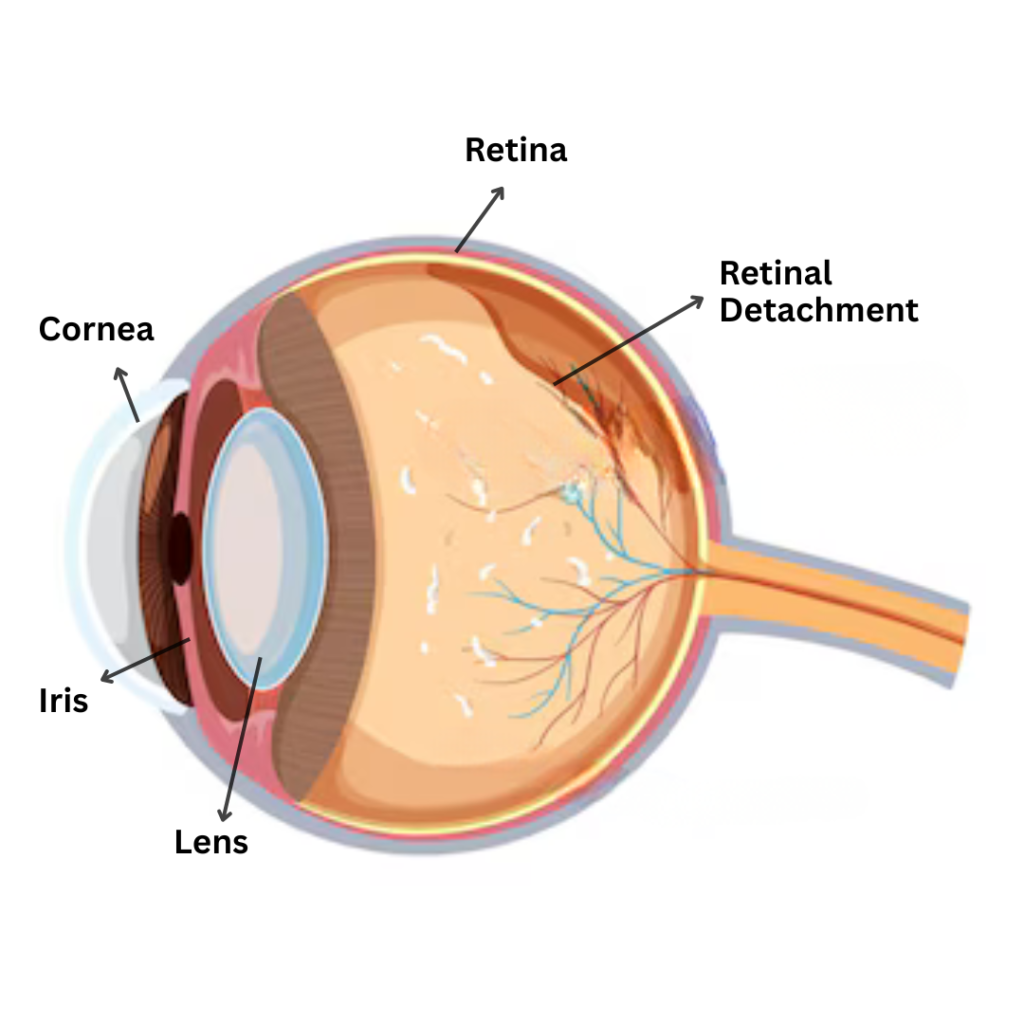
The retina is the light-sensitive layer at the back of the eye that sends visual signals to the brain. Unlike other parts of the body, the retina does not cause pain when damaged.
Retina problems usually progress:
- Gradually
- Without redness or discomfort
- Without immediate vision blackout
This is why people delay visiting a retina specialist, assuming the issue will resolve on its own.
Here are the most important warning signs that may indicate retina damage and require immediate retina evaluation.
1. Blurred or Fluctuating Vision

If your vision becomes blurry without any change in glasses, or keeps fluctuating throughout the day, it could be an early sign of retinal involvement — especially in diabetic patients.
2. Floaters (Black Dots, Threads, Cobwebs)
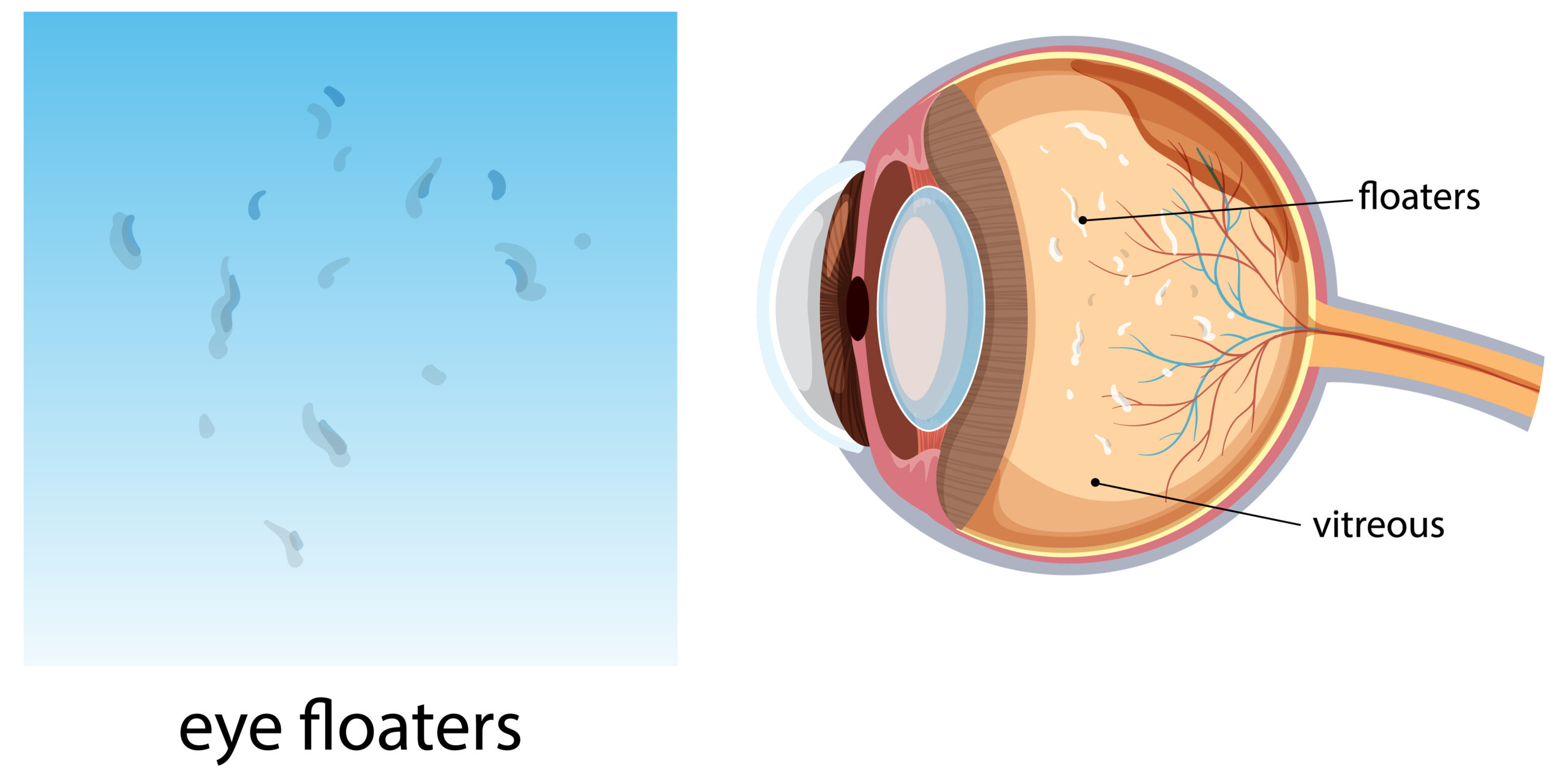
Seeing small black dots or thread-like shadows moving in your vision may indicate changes in the vitreous or early retinal damage.
A sudden increase in floaters should never be ignored.
3. Flashes of Light

Brief flashes, especially in dark environments, can be a sign of retinal traction or an early retinal tear.
This is often an early retina emergency warning.
4. Dark Spots or Blank Areas in Vision
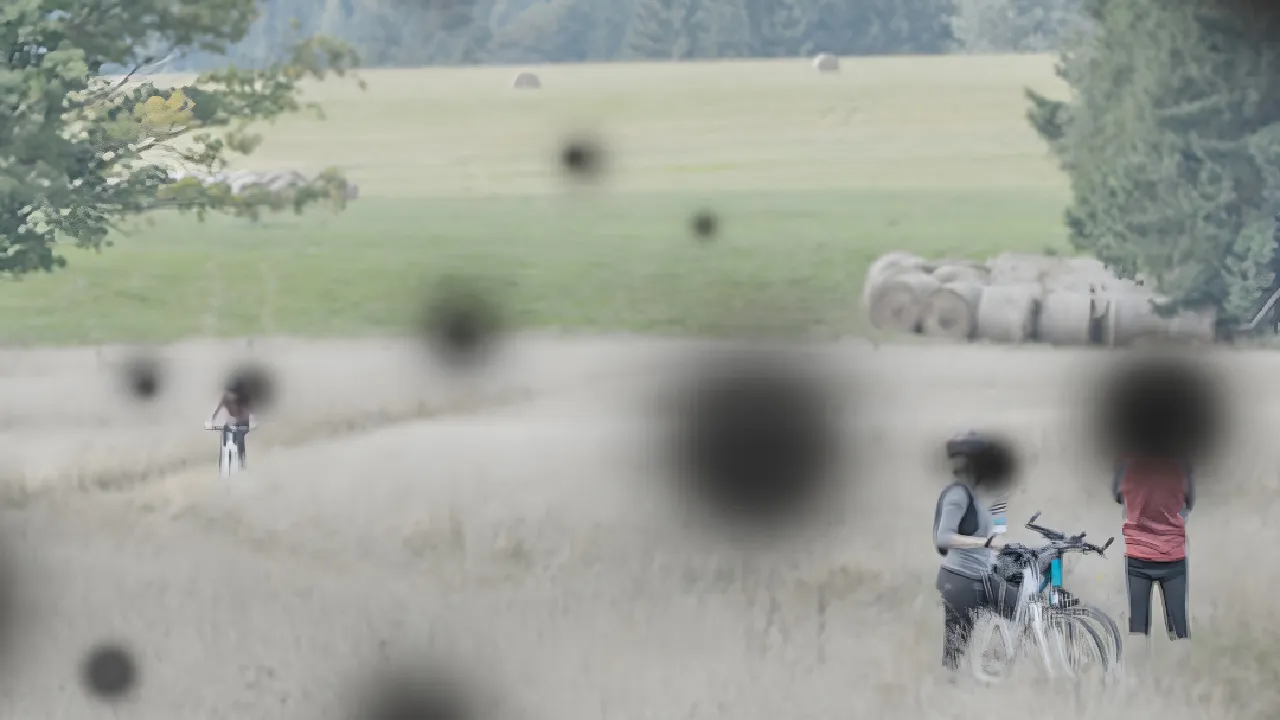
If you notice dark patches or missing areas in your field of vision, it may suggest retinal bleeding or macular involvement.
5. Distorted Vision (Straight Lines Look Bent)

This commonly points to macular problems — a part of the retina responsible for central vision.
6. Difficulty Reading or Recognising Faces
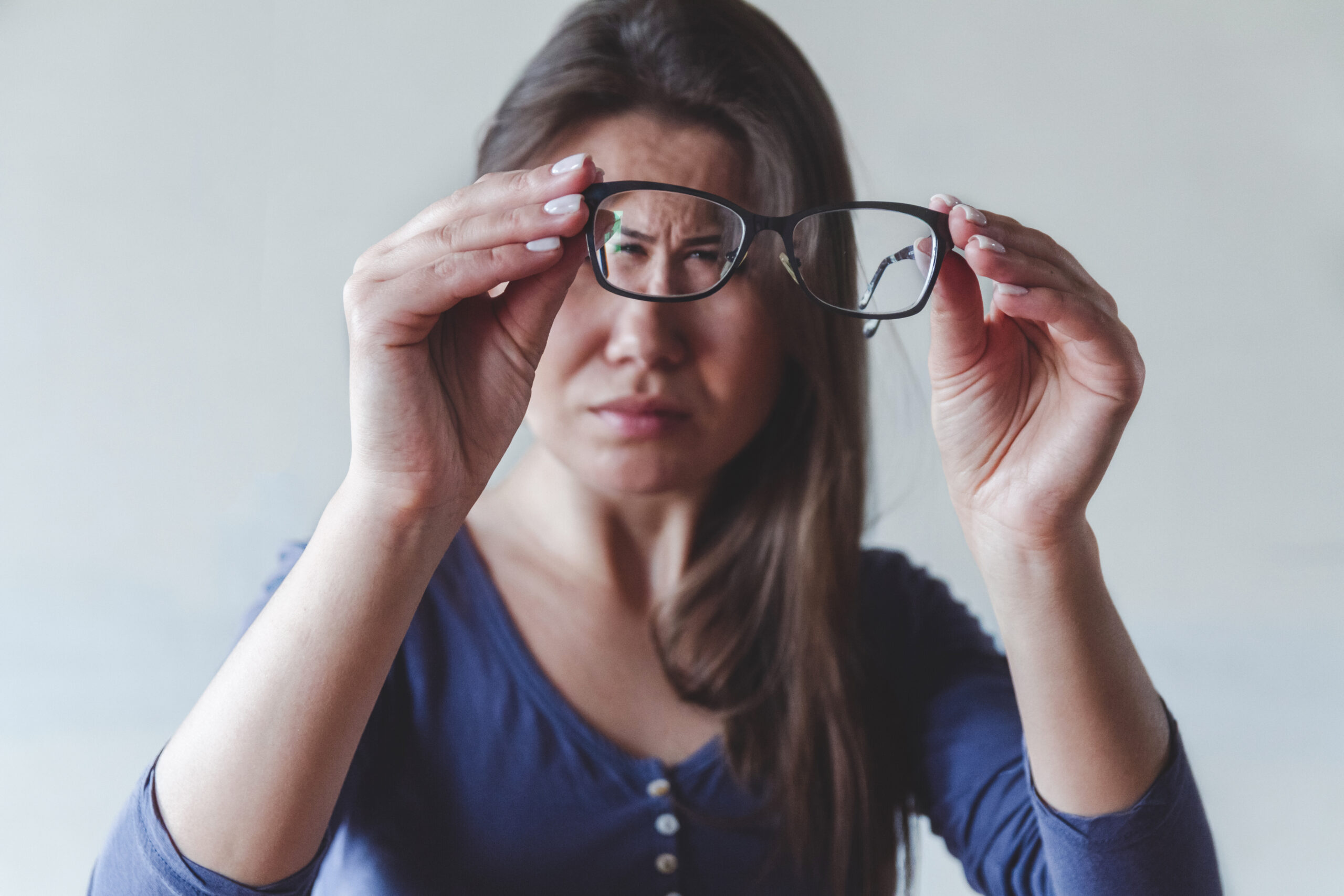
Struggling with reading or face recognition, even with correct glasses, is often related to retina or macular damage.
7. Sudden Drop in Vision
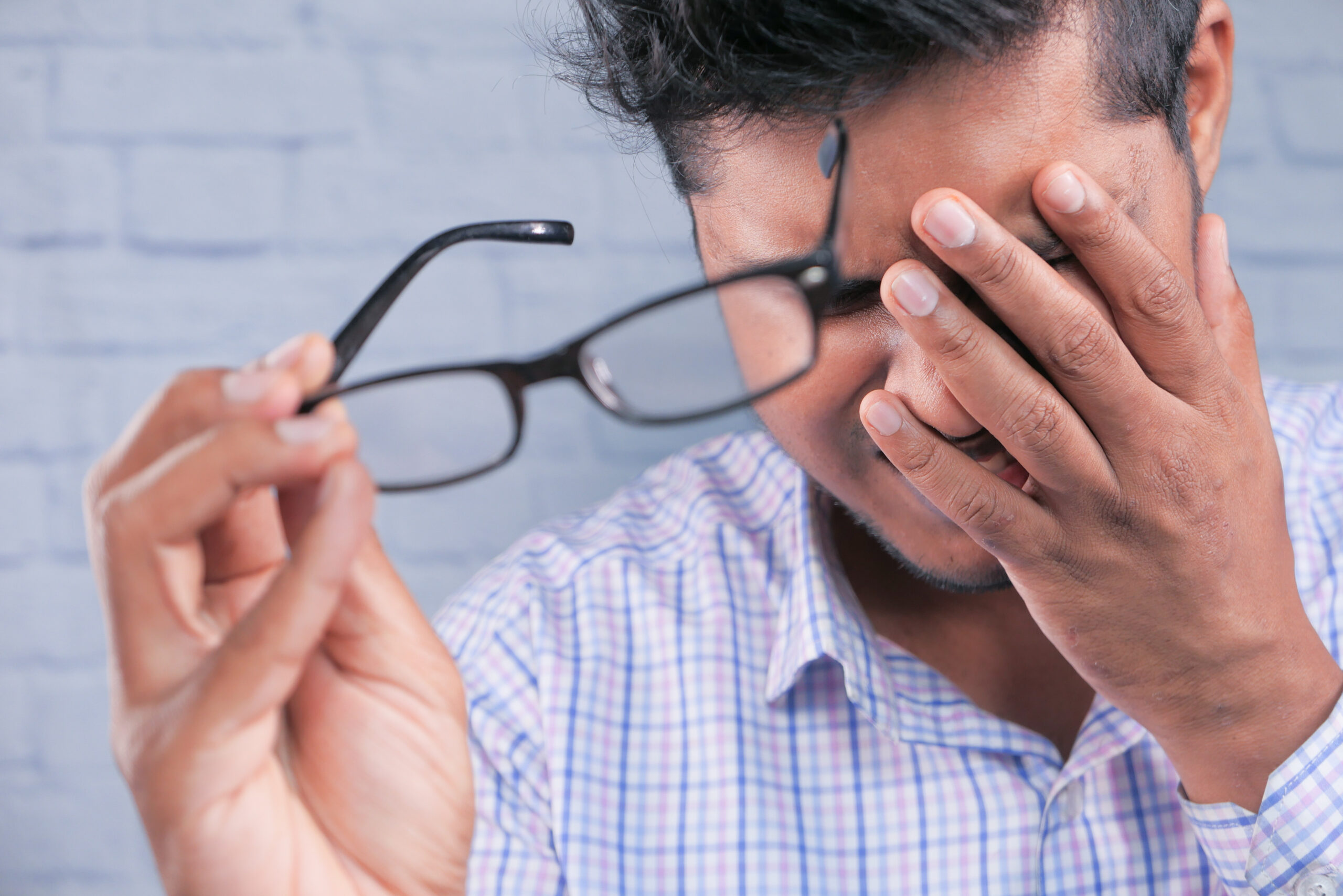
Any sudden vision loss should be treated as an emergency and evaluated immediately at an eye hospital.
Who Is at Higher Risk of Retina Damage?
You are at higher risk if you:
- Have diabetes
- Are above 40–50 years of age
- Have high blood pressure or cholesterol
- Have undergone previous eye surgery
- Have high spectacle power
- Have a family history of retina problems
For these groups, routine retina screening is strongly recommended — even if vision seems normal.
What Are the Common Causes of Retina Problems?
Some of the most common causes include:
- Diabetic retinopathy
- Macular degeneration
- Retinal tears or detachment
- Retinal vein occlusion
- Vitreous hemorrhage
- Age-related retinal degeneration
- Eye trauma or injury
Early diagnosis helps prevent progression to irreversible stages.
Can Retina Damage Be Reversed?
This is one of the most common questions patients ask.
Some early retinal conditions can be stabilized or controlled, but many forms of retina damage cannot be fully reversed once advanced.
That is why early detection and timely retina treatment is the most important factor in preserving vision.
How Do Doctors Check the Retina?
At Vasu Eye Hospital, retina evaluation may include:
- Dilated retina examination
- OCT scan (retina & macula imaging)
- Digital retina photography
- Advanced retina diagnostics (as required)
These tests help identify problems before vision loss occurs.
How to Check for Retinal Damage at Home (Limitations)
There is no reliable home test to diagnose retina damage.
However, you should seek professional evaluation if you notice:
- New floaters or flashes
- Distorted vision
- Dark spots
- Sudden vision changes
Home observation cannot replace a retina examination.
Is Blurry Vision Always a Retina Problem?
No. Blurry vision can occur due to:
- Refractive errors
- Dry eyes
- Cataract
However, persistent or unexplained blurring should always be evaluated for retinal causes — especially in diabetics or older adults.
Can You Still See With a Damaged Retina?
Yes — and that’s the danger.
Many patients with early or even moderate retinal damage still see reasonably well, which delays diagnosis. Vision loss often becomes noticeable only in later stages.
How Do You Know If Your Retina Is Torn?
Possible warning signs include:
- Sudden flashes of light
- Rapid increase in floaters
- A shadow or curtain effect
A retinal tear requires urgent evaluation to prevent retinal detachment.
How Can I Strengthen My Retina Naturally?
While no natural method can “repair” damaged retina, you can protect retinal health by:
- Controlling blood sugar and blood pressure
- Avoiding smoking
- Eating a balanced diet
- Getting regular retina check-ups
- Treating eye problems early
Medical evaluation remains essential.
Does Retina Damage Happen Immediately?
Some retinal injuries happen suddenly (trauma, tears), but most retina diseases develop gradually over months or years — silently.
This is why screening is more important than waiting for symptoms.
How to Avoid Retina Damage
You can reduce risk by:
- Annual retina screening (especially if diabetic)
- Early evaluation of vision changes
- Following medical advice
- Avoiding delay in treatment
At Vasu Eye Hospital, preventive retina care is a core focus.
When Should You See a Retina Specialist?
You should consult a retina specialist if:
- You notice any early warning signs
- You have diabetes
- Vision changes are unexplained
- You’ve been advised retina laser or injections
You want preventive eye care
Why Early Retina Screening Matters
Early detection:
- Prevents permanent vision loss
- Reduces need for complex treatments
- Improves long-term outcomes
Protects quality of life
Book a Retina Evaluation at Vasu Eye Hospital
If you are experiencing vision changes — or even if your vision feels normal but you are at risk — don’t wait.
Visit Vasu Eye Hospital, Bathinda for expert retina screening and care.
Early action saves vision. Delay can cost eyesight.