
Early Signs of Skin Diseases You Should Never Ignore – A Dermatologist’s Guide


- Why Early Detection of Skin Diseases Matters
- Common Early Signs of Skin Diseases You Should Not Ignore
- Common Skin Diseases That Start with Mild Symptoms
- When Should You Visit a Dermatologist Immediately?
- Diagnosis & Treatment at Vasu Eye & Skin Care Hospital
- Tips to Maintain Healthy Skin & Prevent Skin Diseases
- FAQs
Your skin often reflects what is happening inside your body. Many people ignore early symptoms like itching, rashes, redness, or dryness, assuming they are temporary. However, these changes can be early signs of skin diseases that need timely medical attention.
Recognising early signs of skin diseases and seeking proper care can prevent complications, infections, and long-term skin damage. This dermatologist’s guide explains common skin diseases, warning symptoms, skin infection symptoms, and clearly answers when to see a dermatologist for safe and effective treatment.
Why Early Detection of Skin Diseases Matters

Early diagnosis plays a crucial role in managing chronic skin problems and preventing progression. Many common skin diseases respond well to treatment when identified early. Delayed care can lead to worsening symptoms, scarring, infections, or recurring flare-ups.
In some cases, skin problems may also indicate internal health issues such as allergies, immune conditions, infections, or stress. Recognising early signs of skin diseases helps dermatologists treat the root cause, not just surface symptoms.
Common Early Signs of Skin Diseases You Should Not Ignore
Certain symptoms may appear mild initially but should not be ignored if they persist.
Persistent Itching and Rashes

Continuous itching and visible rashes are among the most common skin diseases rashes itching symptoms. These may be linked to allergies, eczema, fungal infections, or dermatitis. Persistent itching is often one of the earliest skin infection symptoms.
Redness, Swelling, or Inflammation
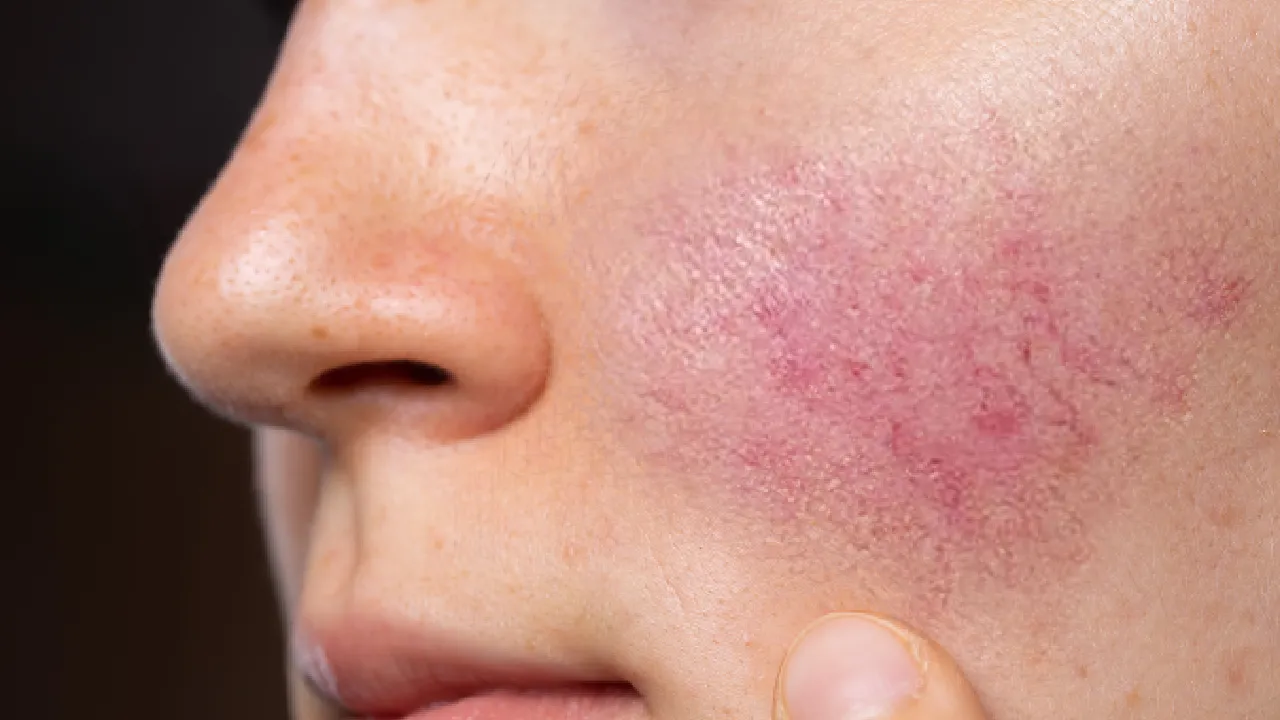
Ongoing redness, swelling, or warmth of the skin may indicate inflammation or infection. If redness spreads or becomes painful, it could be related to underlying skin rashes causes that need medical evaluation.
Dry, Scaly, or Cracked Skin
Excessive dryness or scaling can point toward psoriasis, eczema, or other chronic skin problems. When moisturisers fail to help, professional assessment is important.
Sudden Changes in Skin Colour or Texture
Dark patches, light patches, thickened skin, or rough areas may be early indicators of common skin diseases and should not be ignored.
Common Skin Diseases That Start with Mild Symptoms
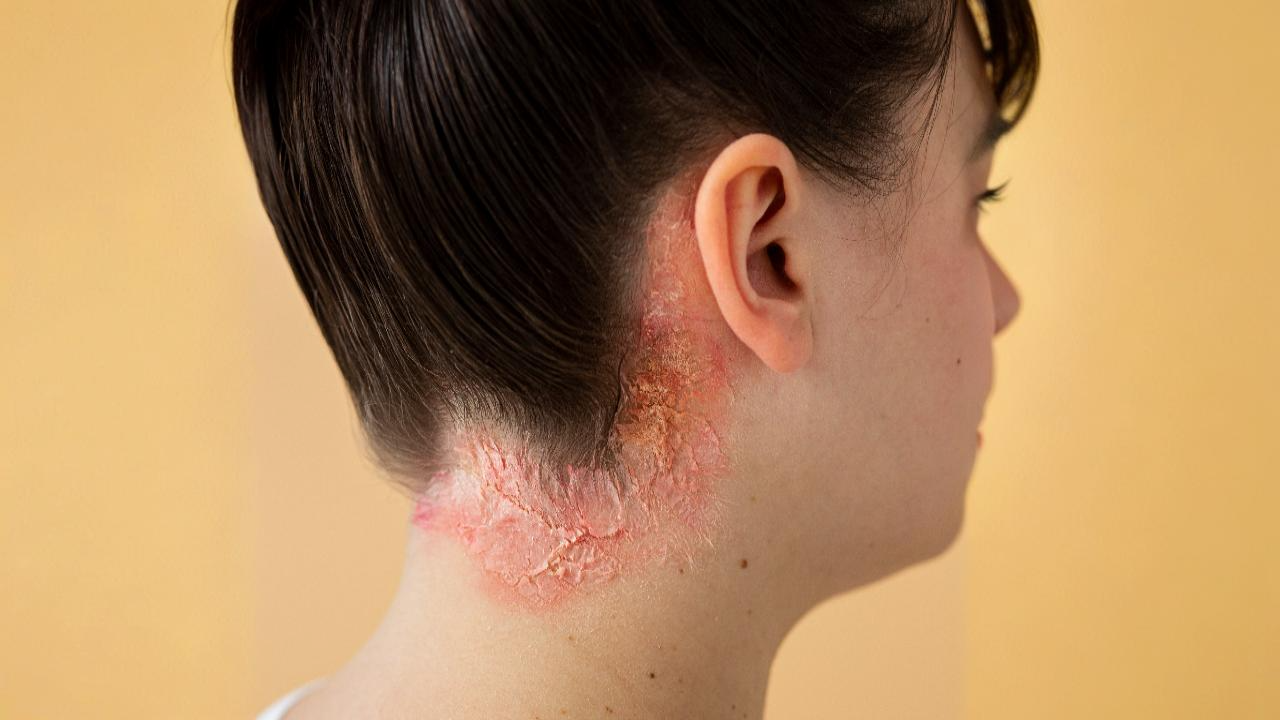
Many skin conditions begin with subtle changes and gradually worsen if untreated.
- Fungal infections often start with mild itching or redness
- Eczema begins as dry, itchy patches
- Acne-related conditions can progress to scarring
- Bacterial infections may start as small boils or sores
Identifying skin rashes causes early helps prevent spreading, infection, and long-term discomfort.
When Should You Visit a Dermatologist Immediately?
Knowing when to see a dermatologist is essential for preventing complications. You should seek medical attention if you experience:
- Rashes that do not improve within a few days
- Rapidly spreading redness or swelling
- Painful, pus-filled, or bleeding skin lesions
- Sudden skin changes with fever
- Recurrent or worsening symptoms
If you frequently search for a skin diseases doctor near me, it may indicate that symptoms are persistent and require professional care.
Diagnosis & Treatment at Vasu Eye & Skin Care Hospital
Accurate diagnosis is the foundation of effective treatment. At Vasu Eye & Skin Care Hospital, dermatologists assess skin conditions through detailed clinical examination and appropriate investigations when required.
Treatment plans for skin infection symptoms, rashes, and chronic skin problems may include:
- Topical medications
- Oral treatments when necessary
- Skincare and lifestyle guidance
Patients looking for the best skin care hospital benefit from structured diagnosis, ethical treatment, and long-term skin health guidance. Those seeking a dermatologist in Bathinda can receive care for both acute and chronic skin conditions.
Tips to Maintain Healthy Skin & Prevent Skin Diseases
Healthy habits can reduce the risk of common skin diseases:
- Maintain proper hygiene
- Avoid sharing personal items
- Use dermatologist-recommended skincare products
- Stay hydrated and eat a balanced diet
- Protect skin from excessive sun exposure
Regular check-ups are especially important for people prone to allergies, infections, or chronic skin problems.
Skin symptoms should never be ignored, especially when they persist or worsen. Recognising early signs of skin diseases, understanding skin rashes causes, and knowing when to see a dermatologist can prevent complications and long-term damage.
If you notice persistent itching, rashes, redness, or recurring skin issues, consulting a qualified dermatologist in Bathinda at a recognised best skin care hospital can ensure timely diagnosis and effective treatment.
FAQs
For most people, once a year is sufficient. Those with chronic skin problems may need more frequent check-ups.
Not always. Some rashes are mild, but persistent skin diseases rashes itching should be evaluated by a dermatologist.
Yes. Stress can worsen common skin diseases like eczema, acne, and psoriasis.
Home remedies may give temporary relief, but they should not replace professional treatment for persistent skin infection symptoms.
You can consult a qualified dermatologist in Bathinda at a recognised best skin care hospital for accurate diagnosis.
Annual checks are recommended, or earlier if you notice new or worsening symptoms.
If symptoms spread, cause pain, infection, or do not improve, it is important to seek care from a skin diseases doctor near me promptly.